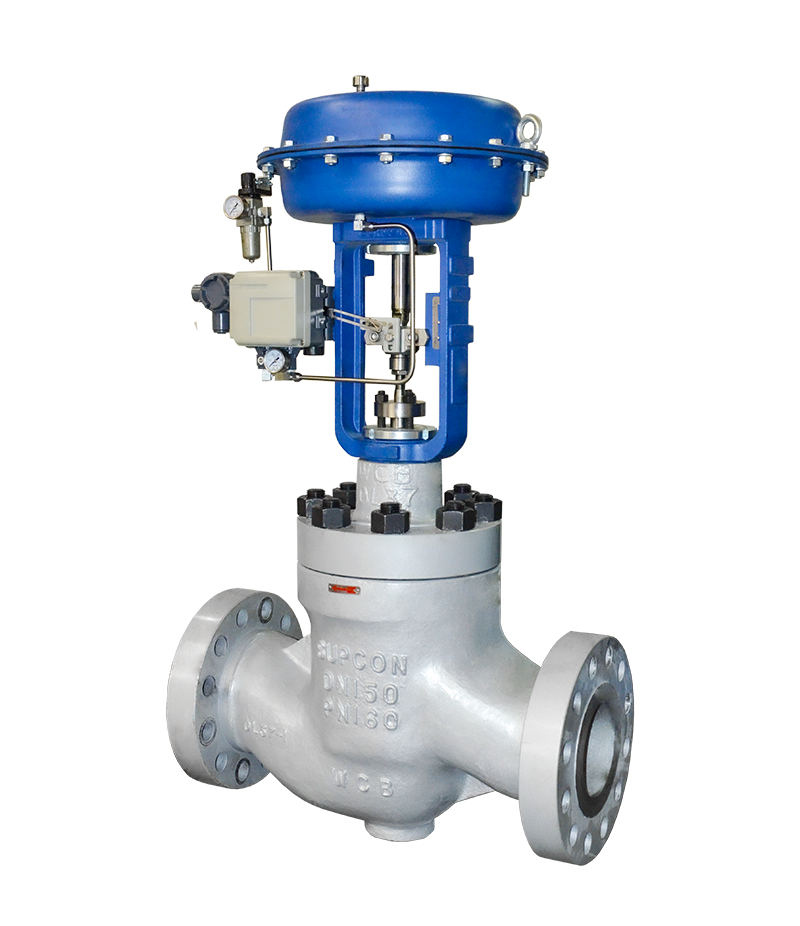
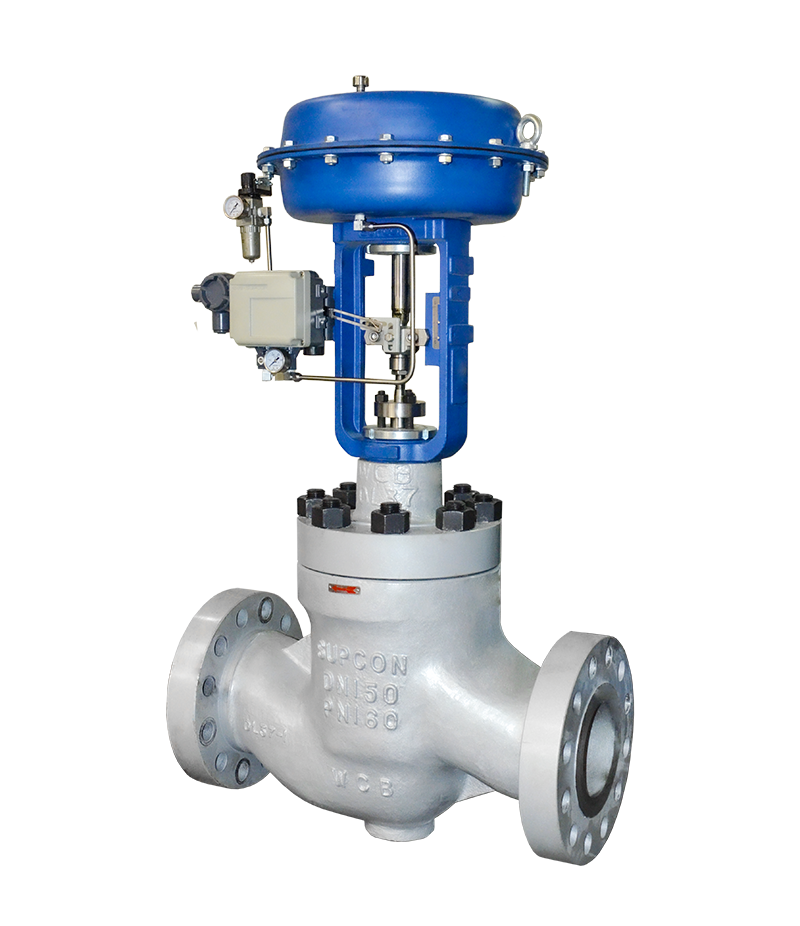
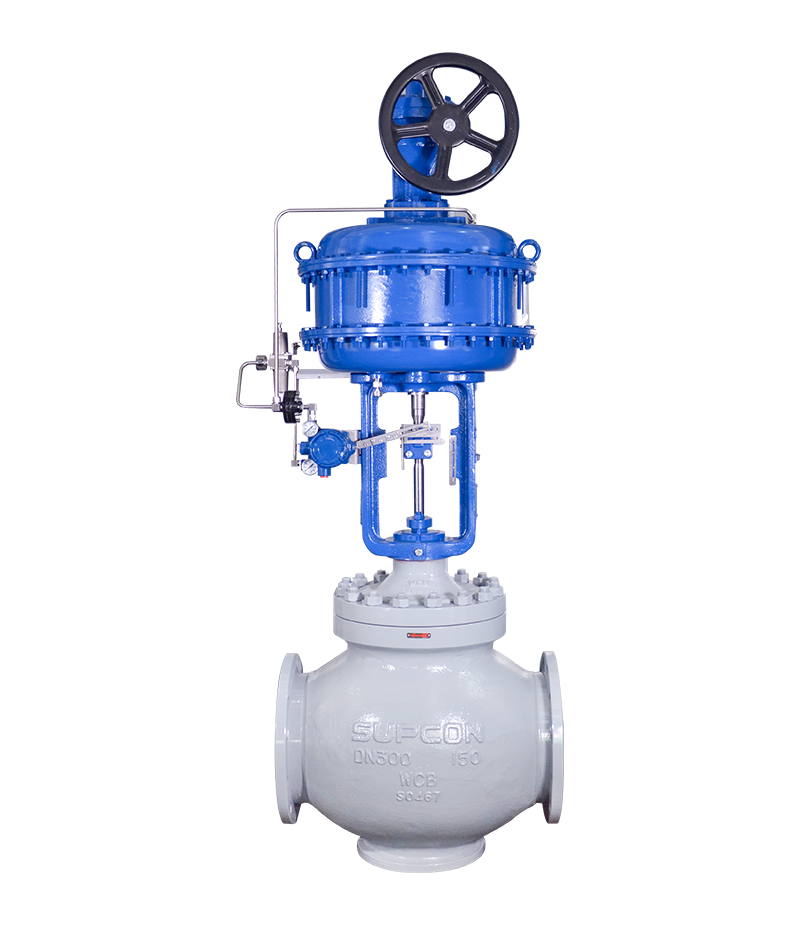
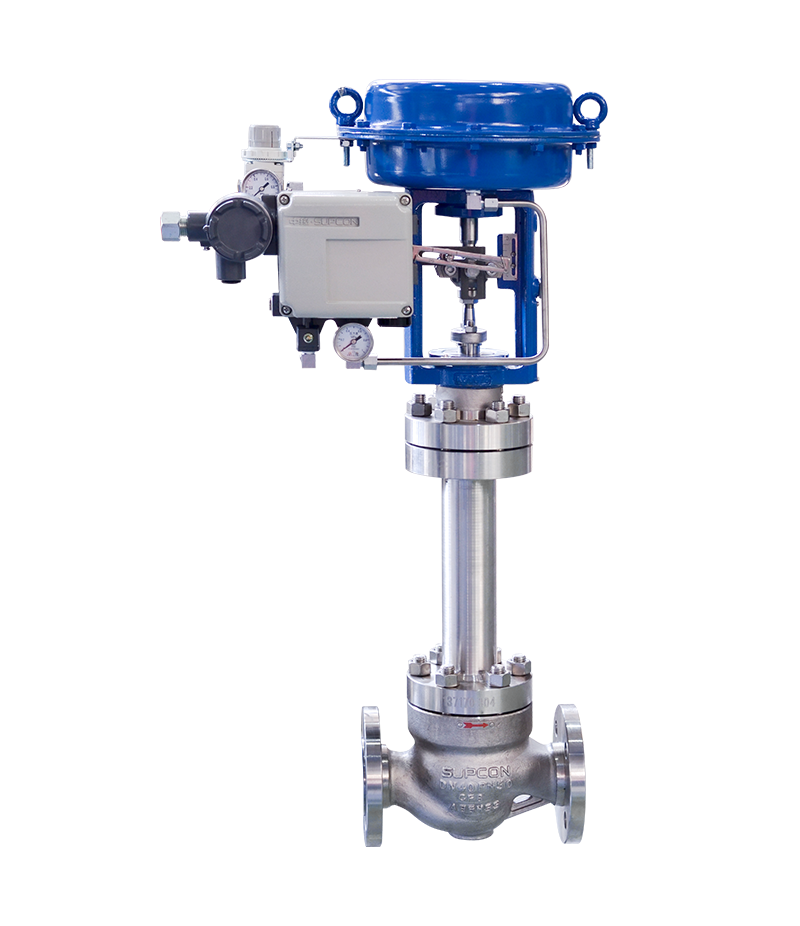
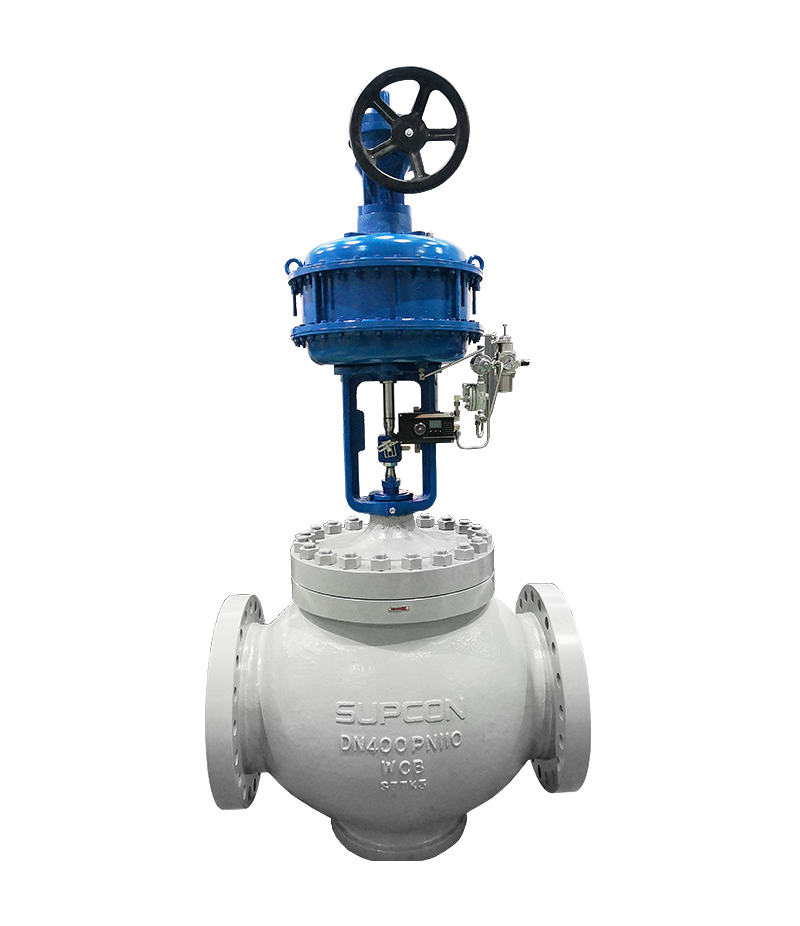
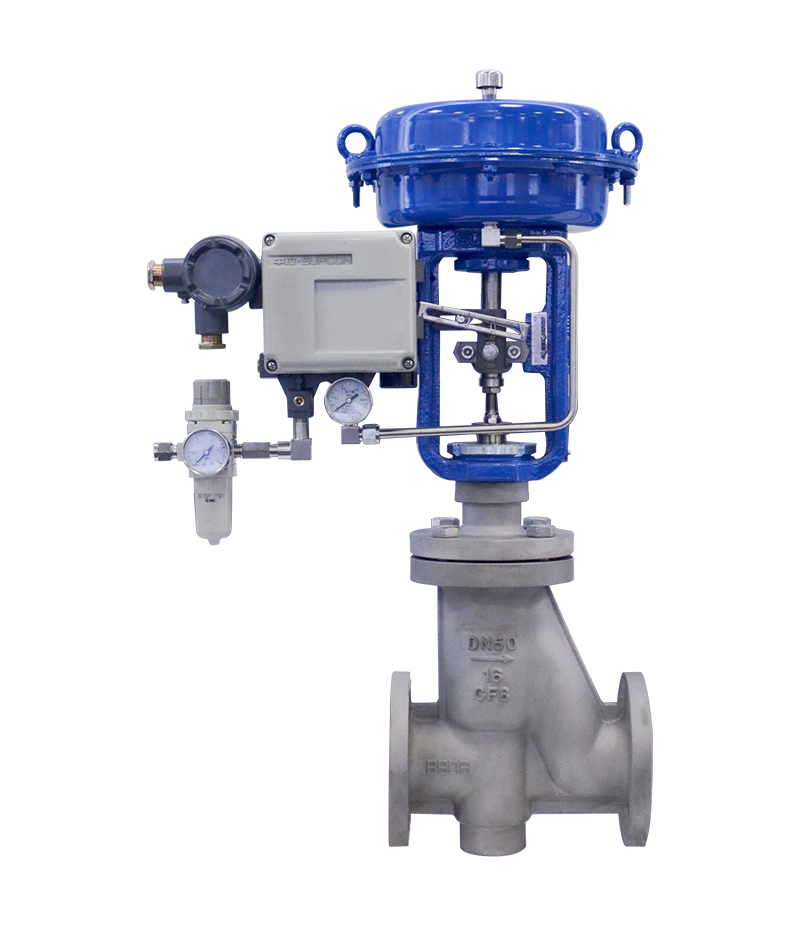
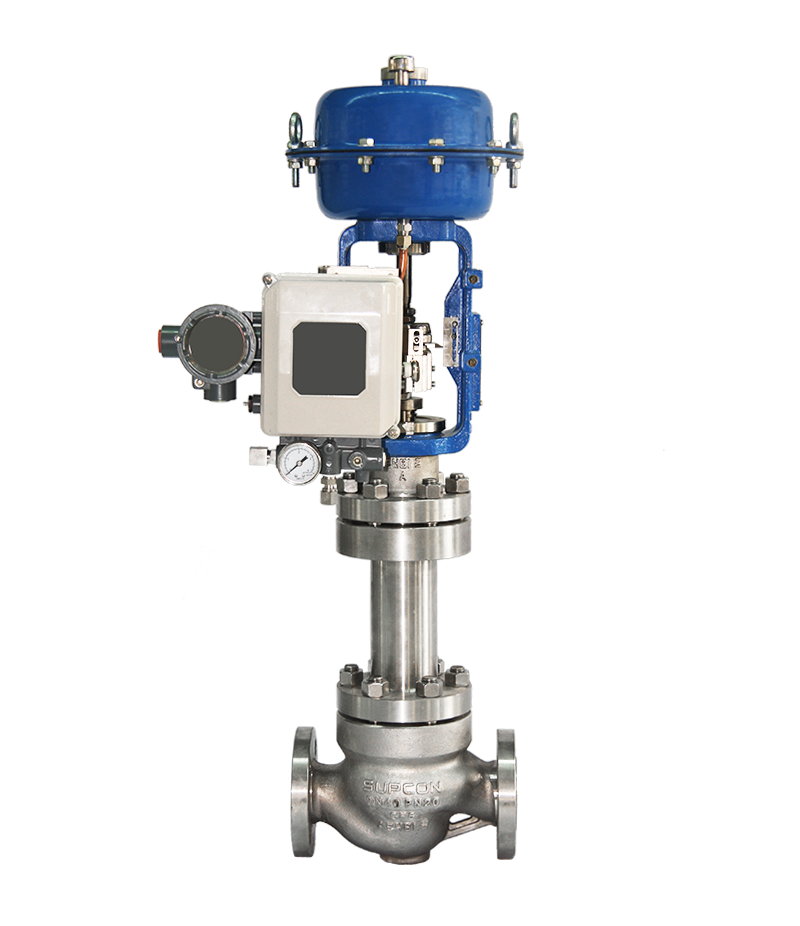
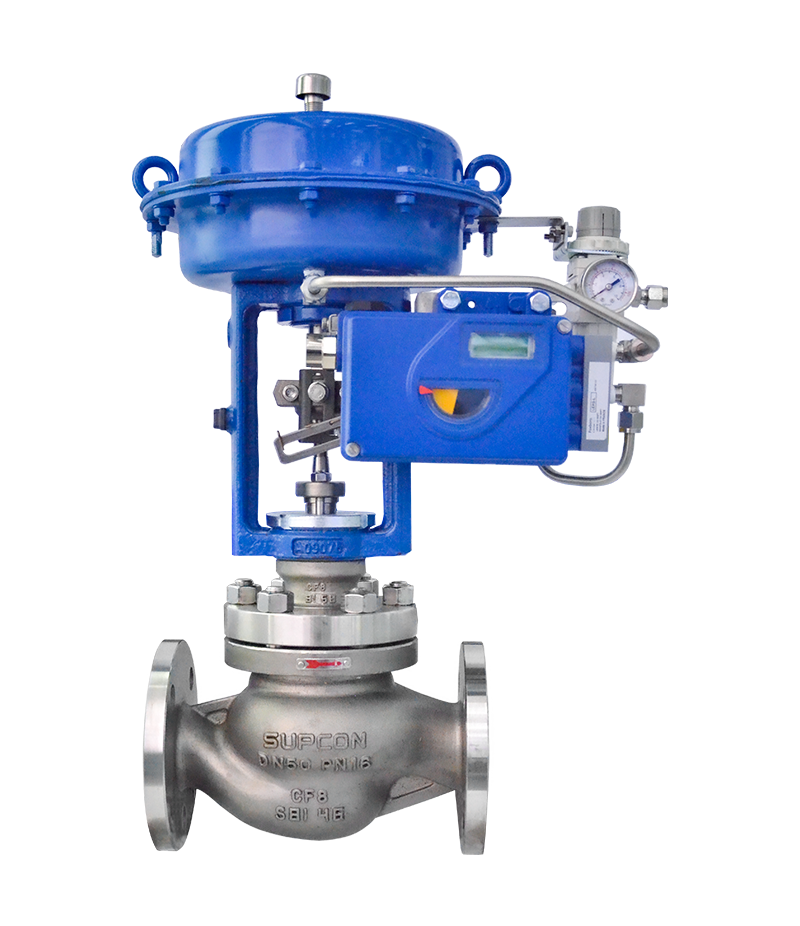
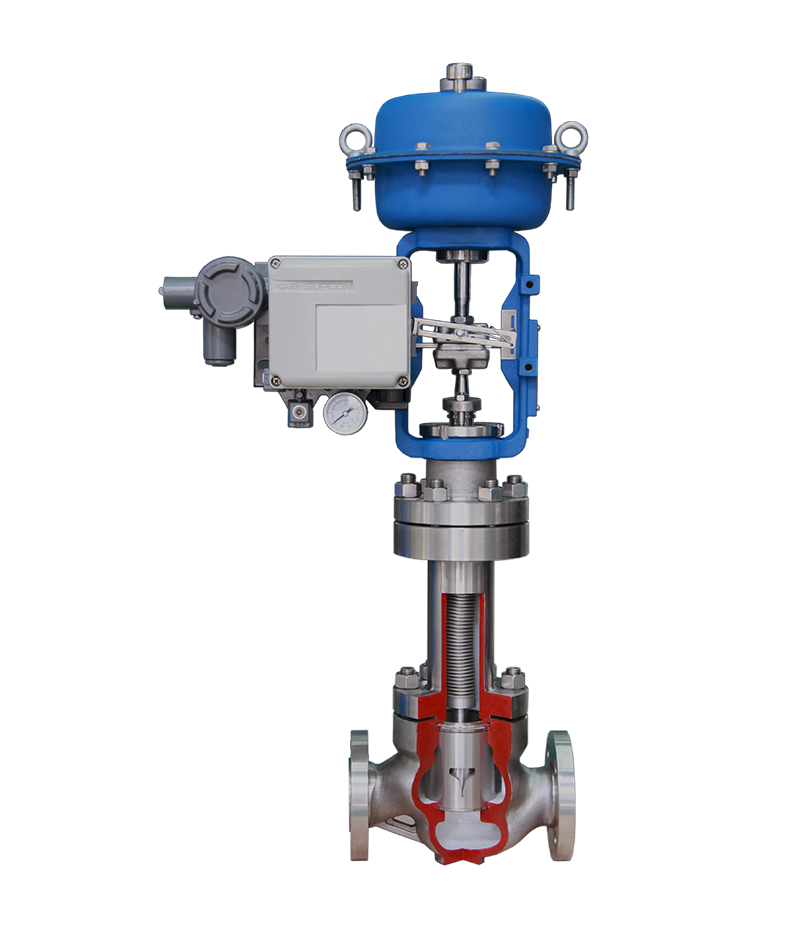
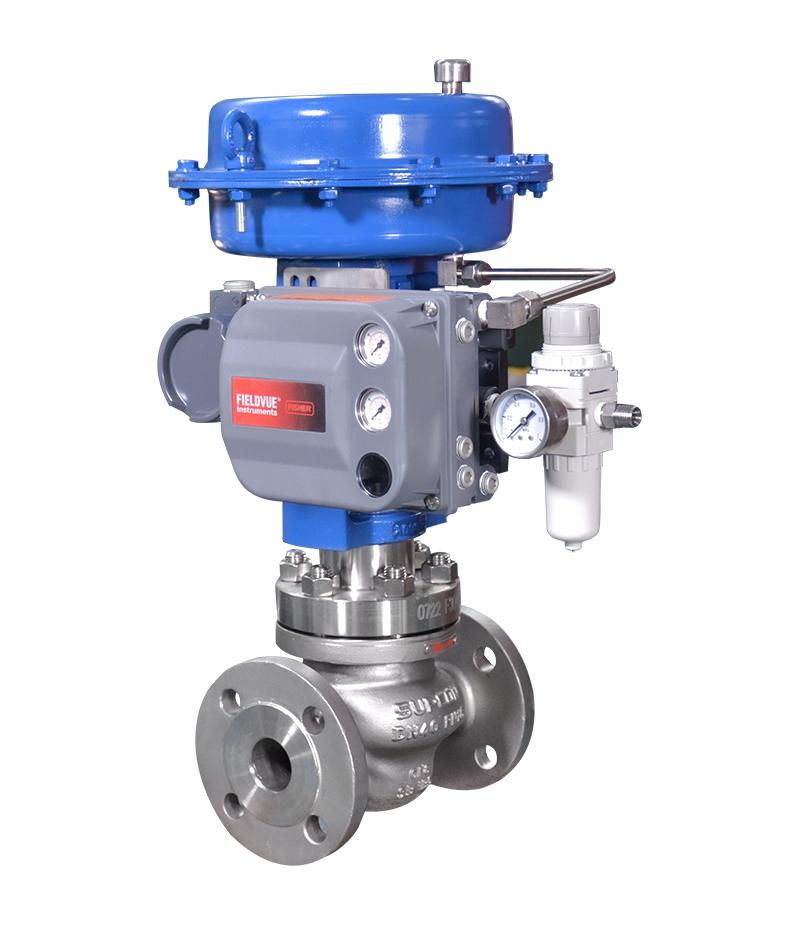
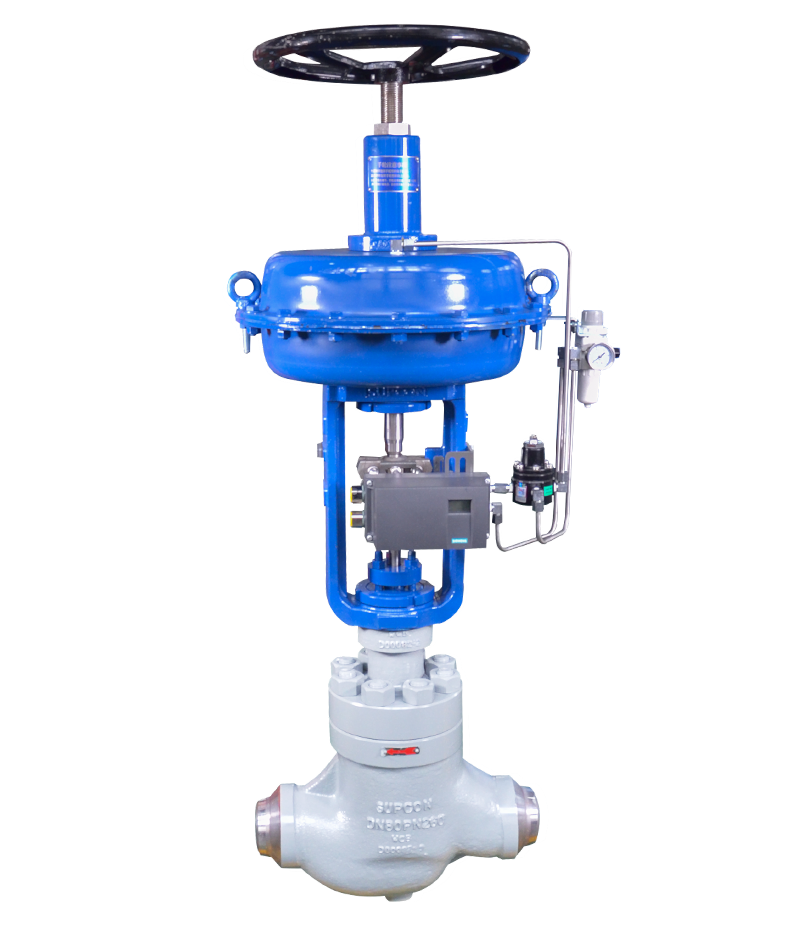
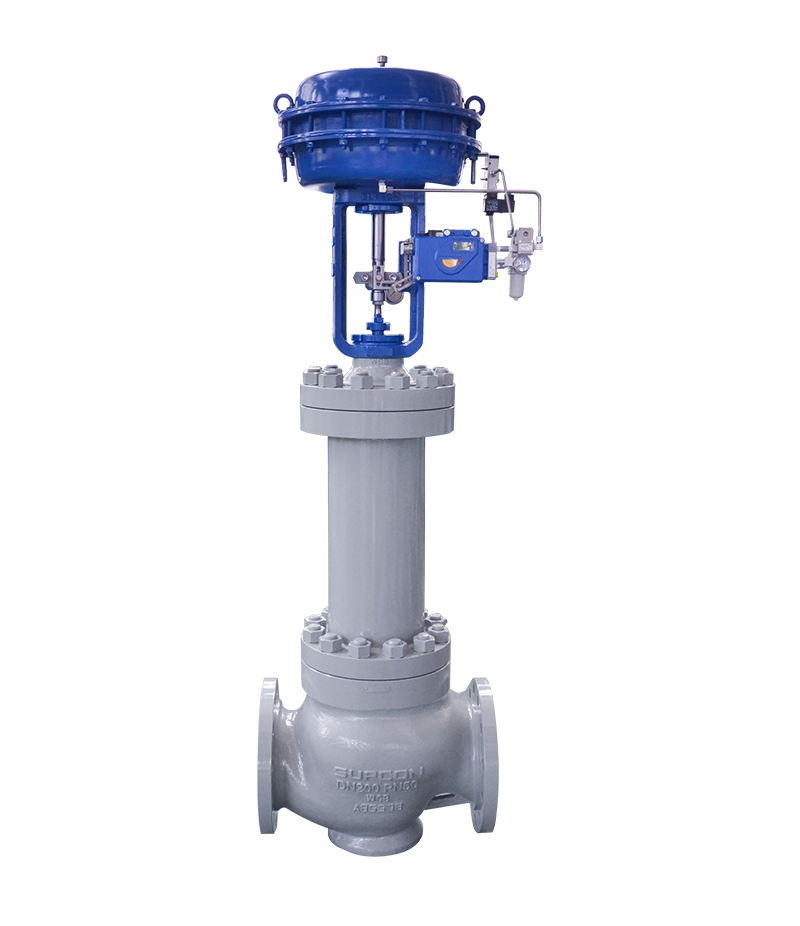
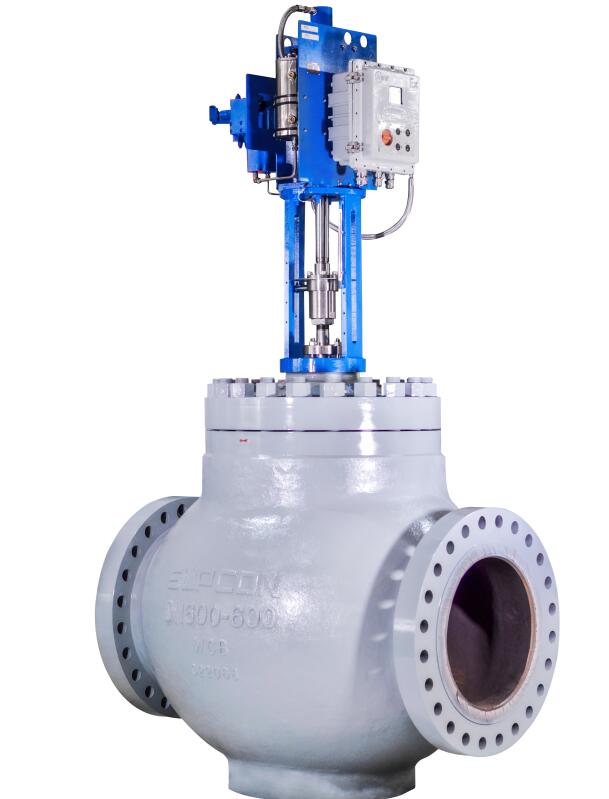
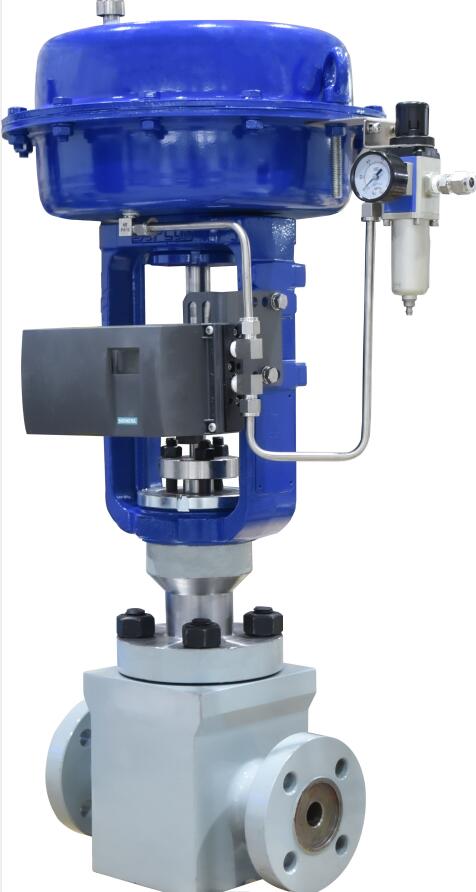
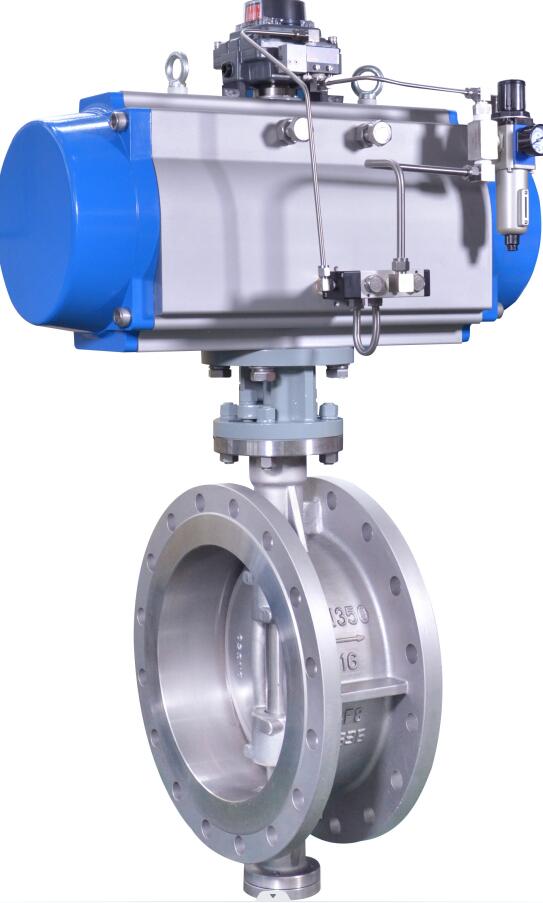
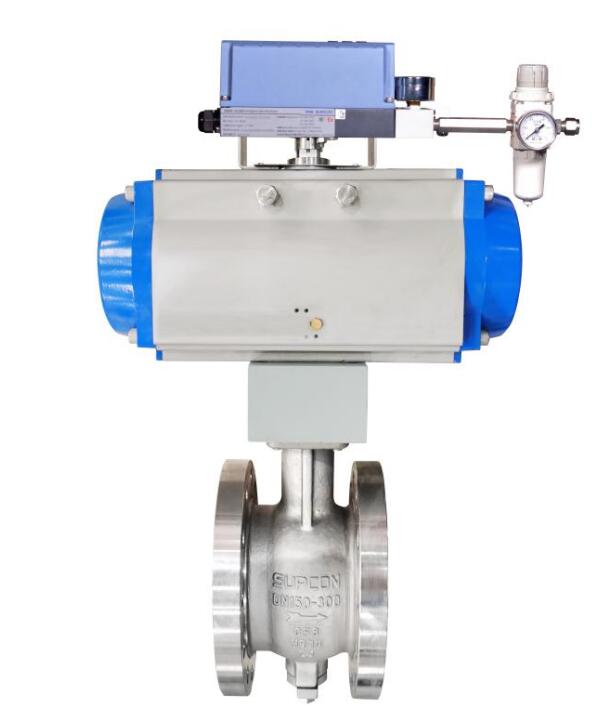
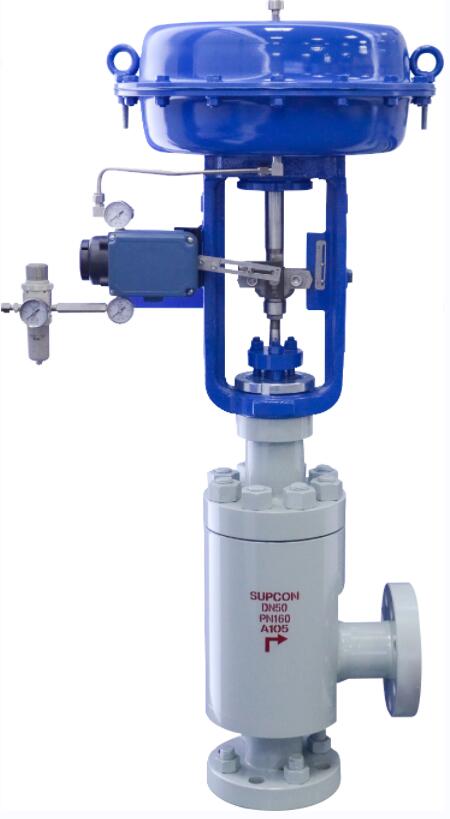
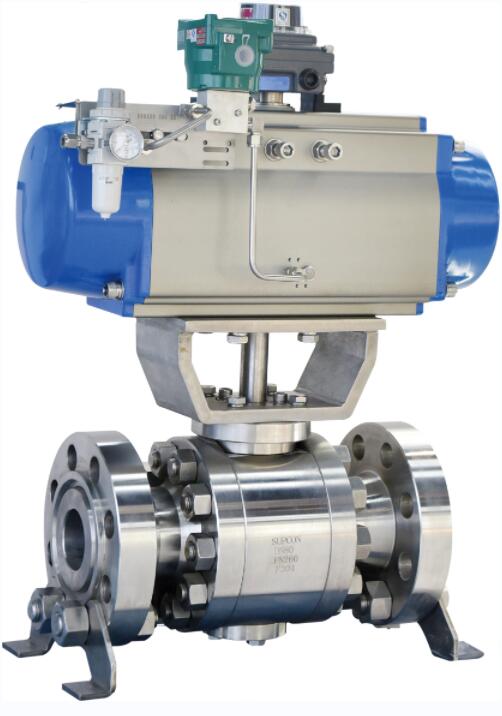
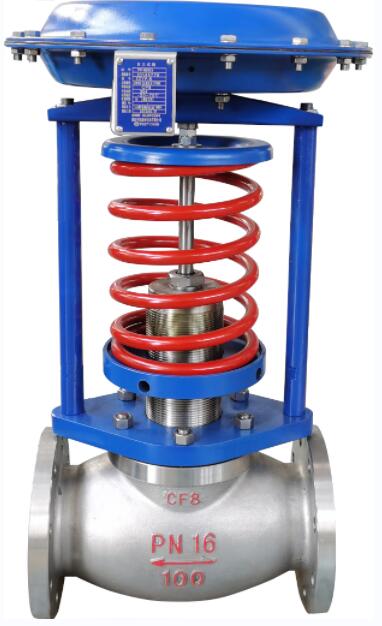
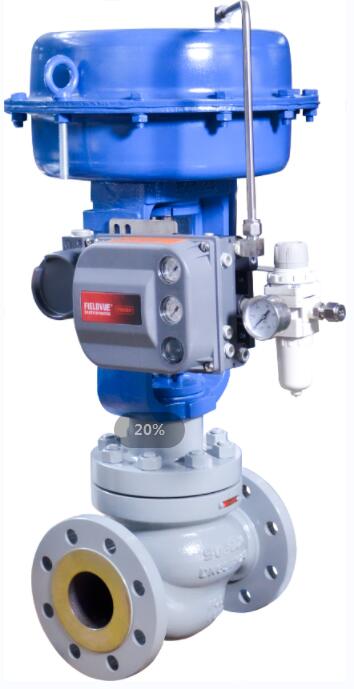
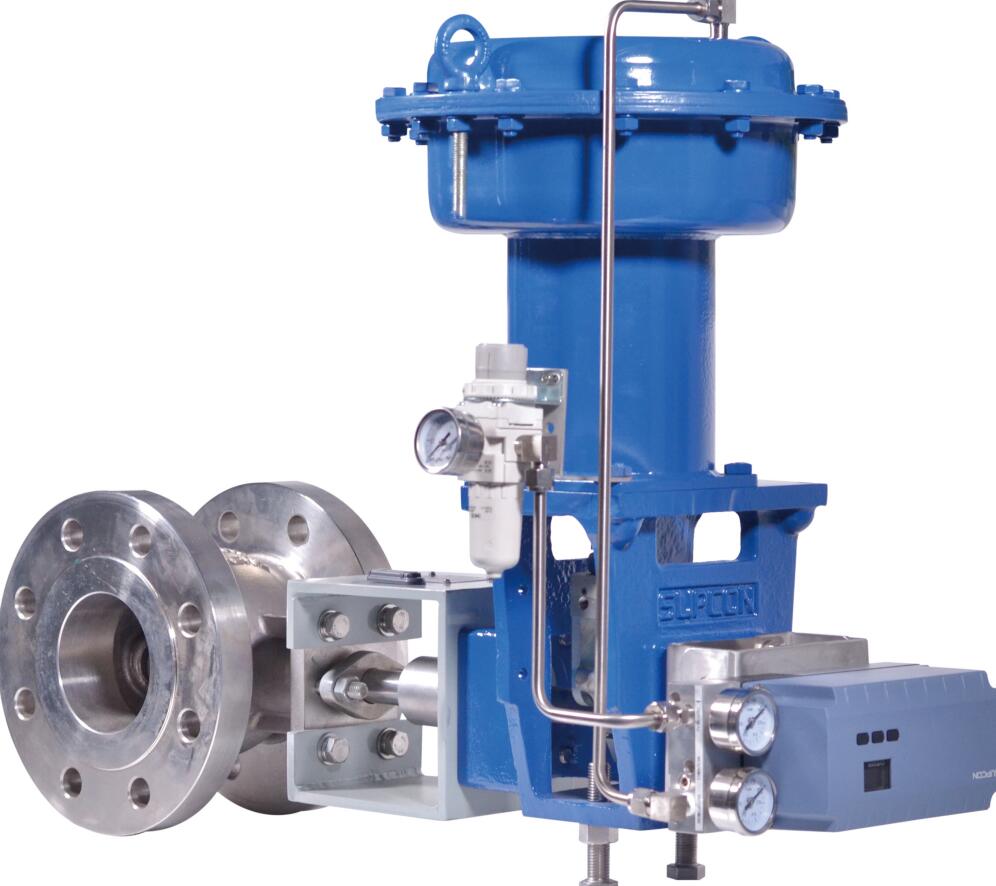
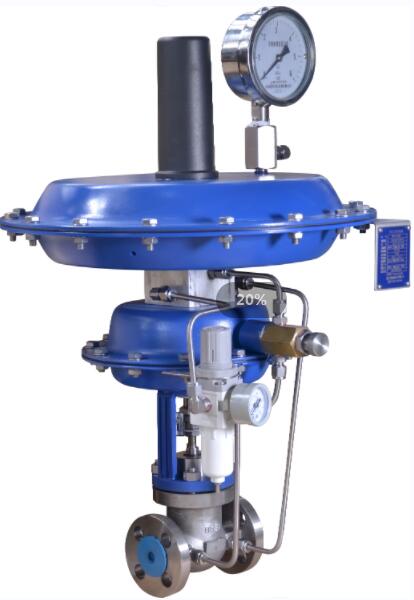
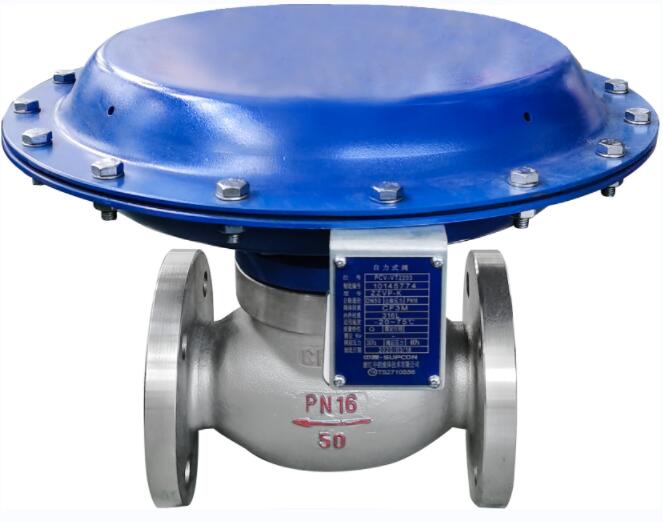
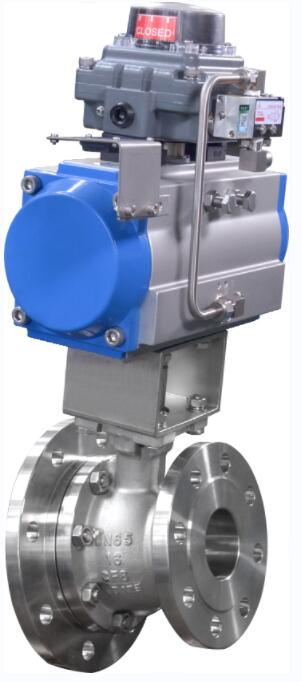
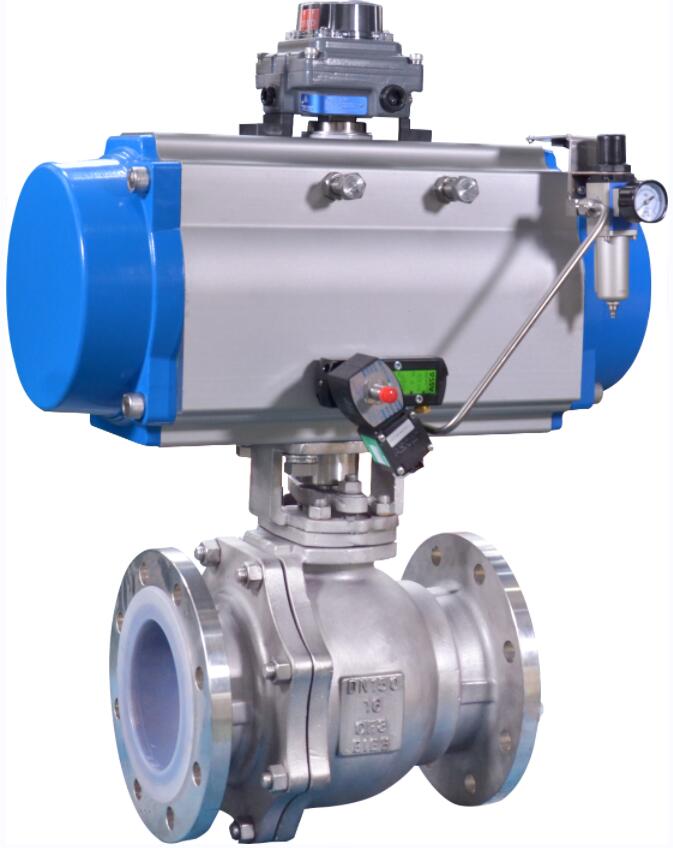
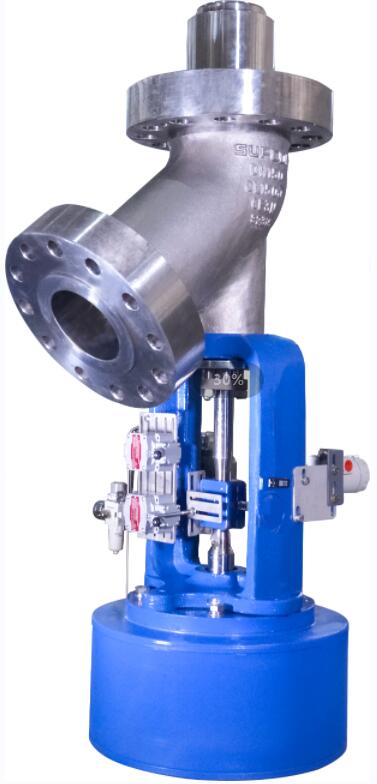
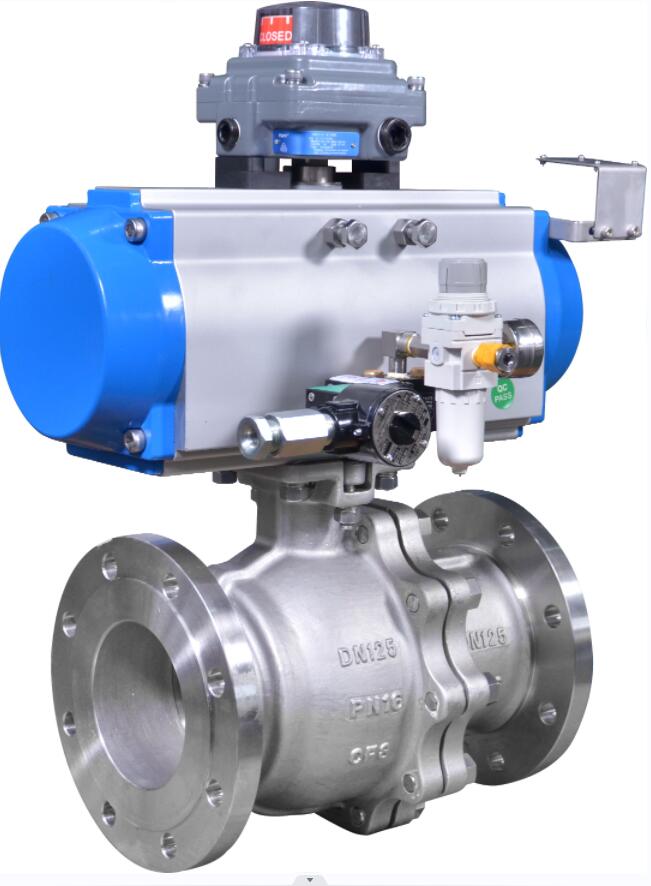
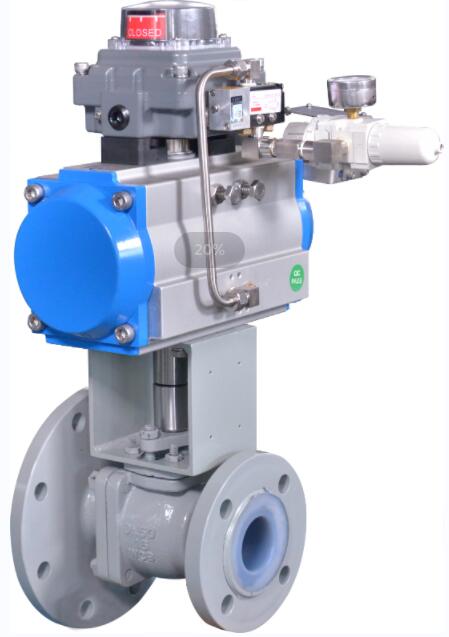
Supcon Control Valve, a China leading manufacturer of high-quality control valves based in China. With over 20 years of experience in the industry, we are committed to providing our customers with reliable, durable, and innovative control valve solutions for a wide range of industrial applications.
At Supcon, we have a dedicated team of experts who specialize in the design, development, and production of control valves. We use state-of-the-art technology and modern manufacturing processes to ensure that our products meet the highest standards of quality and performance. Our products are designed to provide precise control of flow, pressure, and temperature, while also minimizing energy consumption and reducing environmental impact.
We offer a wide range of control valves, including globe valves, ball valves, butterfly valves, and more. We also provide customized solutions to meet the unique needs of our customers. Our products are widely used in industries such as oil and gas, chemical, power generation, water treatment, and more.
As a control valve manufacturer in china, we are committed to providing excellent customer service and support. Our knowledgeable and experienced staff are available to answer any questions you may have and provide technical assistance as needed. We also offer timely delivery and competitive pricing to ensure that our customers receive the best value for their investment.
Thank you for considering Supcon Control Valve as your partner for all your control valve needs. We look forward to working with you to help you achieve your business objectives.

A control valve is a mechanical device that regulates the flow of a fluid (such as gas, steam, or liquid) through a system or process. It typically consists of a valve body, an actuator, and a control mechanism, which work together to adjust the valve's position and thereby control the flow rate.
Control valves are used in a wide range of applications, including oil and gas production, chemical processing, power generation, and water treatment. They are typically designed to perform a specific function, such as maintaining a constant flow rate, regulating pressure, or controlling temperature. Some control valves are also designed to provide on/off or emergency shutdown functionality in addition to their primary control function.
Control valves can be operated manually or automatically, depending on the specific application and requirements. They are an essential component in many industrial processes and play a critical role in ensuring the safe and efficient operation of these processes.
Excellent Throttling and Flow Control:Globe valves provide precise regulation due to the linear motion and perpendicular sealing surface.
Reliable Sealing Performance:Tight shut-off capability with minimal leakage, suitable for high-seal applications.
Shorter Stroke and Faster Operation:Valve disc travels a short distance, enabling quicker opening and closing compared to gate valves.
Good Wear Resistance and Long Service Life:Less friction between disc and seat, suitable for frequent operation.
Simple Structure and Easy Maintenance:Internal components are straightforward to access without removing the valve from the pipeline.
Suitable for High-Pressure and High-Temperature Service:Can handle steam, high-temperature oils, and high-pressure fluids.
Stable Operation with Low Noise and Vibration:Flow path design reduces turbulence and noise.
Allows Installation in Both Flow Directions (Preferred Direction Recommended):More flexible installation than some other valve types.
A globe valve is a type of control valve that is used to regulate the flow of fluid in a pipeline. It is named after the shape of the valve body, which is spherical or globe-shaped. Globe valves are typically used in applications where precise control of flow is required, such as in chemical processing, power generation, and water treatment.
The basic design of a globe valve consists of a valve body, a valve stem, and a valve disk or plug. The valve disk or plug is attached to the valve stem, which is connected to an actuator that is used to move the valve disk or plug into or out of the flow path.
When the valve is open, fluid flows through the valve body and around the valve disk or plug. When the valve is closed, the valve disk or plug is moved into the flow path, blocking the flow of fluid. By adjusting the position of the valve disk or plug, the flow rate can be precisely controlled.
The movement of the valve disk or plug is controlled by the actuator, which can be either manual or automatic. In manual globe valves, the actuator is typically a handwheel or lever that is used to turn the valve stem and move the valve disk or plug. In automatic globe valves, the actuator is typically a motor or solenoid that is controlled by an electronic controller.
Globe valves can be designed for a variety of applications, including high-pressure and high-temperature applications. They are known for their reliability and precision, making them a popular choice for many industrial processes.
| Type | Motion | Key Use |
|---|---|---|
| Globe Valve | Linear | Precise flow regulation, good throttling, stable control in steam/chemical processes |
| Ball Valve | Rotary | Fast operation, low pressure drop, suitable for on/off + modulating control |
| Butterfly Valve | Rotary | Large flow capacity, lightweight, economical for big pipelines (HVAC/water) |
| Plug (Rotary Plug) Valve | Rotary | Handles slurry, dirty fluids, provides stable control in harsh services |
| Diaphragm Valve | Linear | Zero stem leakage, excellent for corrosive, clean, or sanitary media |
| Needle Valve | Linear | Very fine and precise flow adjustments for small flow or instrumentation lines |
| Pneumatic Control Valve | Linear/Rotary | Fast response, widely used in industrial automation and process plants |
| Electric Control Valve | Linear/Rotary | High-precision positioning, ideal where air supply is unavailable |
Steam flow and pressure control
Used in boiler main steam lines, steam headers, desuperheating systems, and turbine bypass stations where precise throttling of high-temperature steam is required.
Reactor feed and chemical dosing control
Regulates feedstock flow into reactors, controls catalyst or additive dosing, and maintains stable reaction conditions in chemical and petrochemical plants.
High-pressure hot oil and thermal fluid circuits
Provides accurate control of heat transfer oils in refinery heaters, thermal oil boilers, and chemical process temperature control loops.
Cooling water and chilled water regulation
Balances flow to heat exchangers, condensers, and coil units in industrial cooling circuits and HVAC systems.
Fuel oil and high-pressure fuel systems
Controls flow in diesel, heavy fuel oil, or burner fuel supply lines where reliable shut-off and modulation are required.
Lubrication and seal-oil systems
Adjusts flow in lube-oil skids and seal-oil control lines for rotating equipment such as compressors and turbines.
Gas distribution and pressure control
Used in nitrogen, instrument air, and inert gas distribution networks for stable and accurate pressure/flow regulation.
Process sampling and small-capacity control loops
Suitable for small to medium line sizes where fine flow control is necessary, such as sampling systems and lab-scale process lines.
Condensate and drain control in steam systems
Applied in drain stations, condensate return lines, and flash steam recovery systems where throttling of hot condensate is needed.

Globe valves are a type of control valve that are commonly used in industrial applications to regulate the flow of various types of fluids, such as water, oil, gas, and steam. Globe valves are designed with a linear motion disk element, which allows for precise control of the flow rate by adjusting the position of the disk within the valve body.
A globe control valve is a specific type of control valve that is designed with a globe-shaped body and a linear motion disk element. The disk element moves up and down within the valve body to regulate the flow rate of fluids passing through the valve. Globe control valves are commonly used in applications where precise flow control is required.
On the other hand, a control valve is a more general term that refers to any type of valve that is used to control the flow, pressure, or temperature of fluids within a pipeline or process system. Control valves can come in a variety of shapes and sizes, and can use different types of disk elements, such as globe, butterfly, or ball valves.
So, the main difference between a globe control valve and a control valve is that a globe control valve is a specific type of control valve that uses a globe-shaped body and linear motion disk element to regulate fluid flow, while a control valve is a more general term that encompasses a wide range of valves used for flow, pressure, or temperature control.
Pinch valves use a flexible rubber or plastic tube that is pinched closed to regulate fluid flow.
View MoreContact Us
Related Information
China ValveTriple Offset Butterfly Valve ManufacturerHigh Pressure Ball Valves ManufacturersGlobe Control Valve With Pneumatic ActuatorGlobe Control Valve ManufacturerCarbon Steel ValvesPneumatic Single Seat ValveHigh Pressure Single Seat ValveStainless Steel Single Seat ValveStainless Steel Globe ValveLined Ball ValvePneumatic Globe Control ValveGlobe Control Valve for WaterChina Butterfly ValveLined Butterfly ValvesBall Valve Manufacturer in ChinaCarbon Steel Butterfly ValveIndustrial Globe Valves SupplierGlobe Control Valve for SteamGlobe Control Valve for HVAC SystemsChina Gate ValveBellow Seal Globe ValveGlobe Valve For Flow ControlOil And Gas Valves ManufacturerControl Valve ChinaPFA Lined Ball ValvesFactory: SUPCON Park, No.209 Golf Road, Fuyang District, Hangzhou, 311400, China
Tel.: +86 571 8111 9774
:
E-mail: [email protected]