Jul. 06, 2026
Sizing a Cage Guided Globe Valve is crucial for control engineers tasked with optimizing flow control in various industrial applications. This article targets mechanical engineers, process control specialists, and maintenance personnel who frequently face challenges such as inconsistent flow rates, energy inefficiency, and mechanical failures due to improperly sized valves. With proper sizing techniques, the flow can be accurately controlled, minimizing wear and tear on equipment and ultimately leading to an improved Overall Equipment Effectiveness (OEE) by up to 25%. In this guide, we will cover the essential concepts of sizing a cage guided globe valve, including industry terminology, principles, background information, and step-by-step instructions for proper sizing.
Cage guided globe valves are designed for precise flow regulation and are integral to various systems, such as water treatment plants and oil refineries. The technical terminology you should be familiar with includes:
Understanding these terms helps in effectively analyzing and choosing the right size for your valve.
Before sizing, collect the necessary data, including:
Using the flow rate and the known pressure drop, apply the following formula to determine the appropriate Cv:
Cv = Q / (ΔP / 1,000)
For example, if your application requires a flow rate of 100 GPM with a pressure drop of 5 psi, the Cv calculation would yield a Cv of 31.62. This value informs your selection of the valve size.
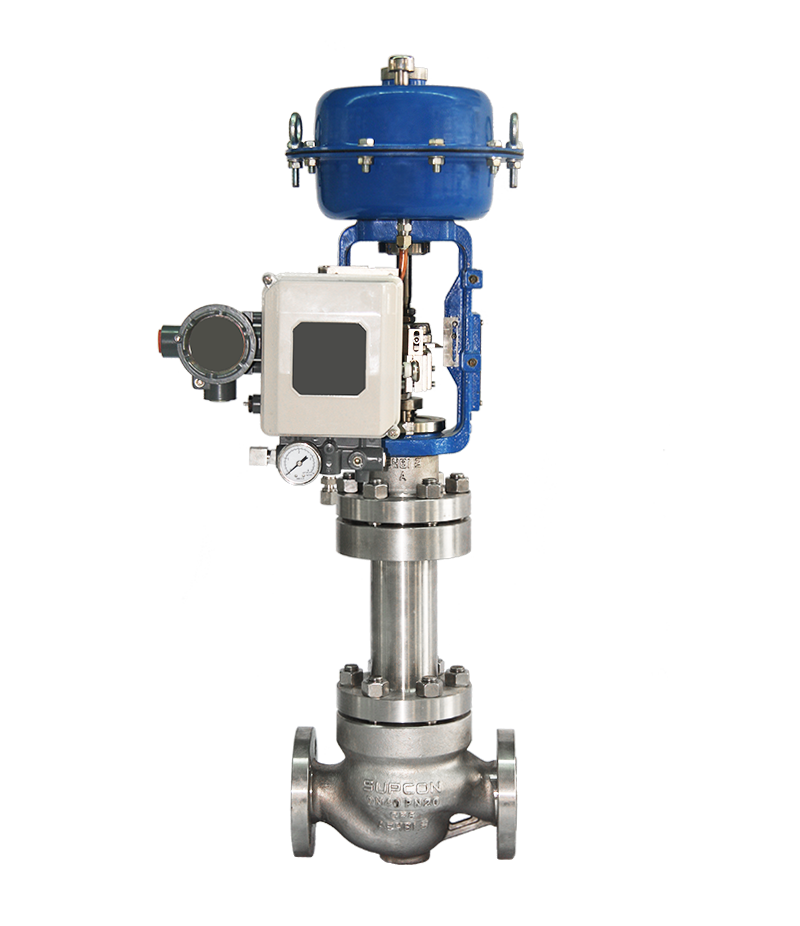
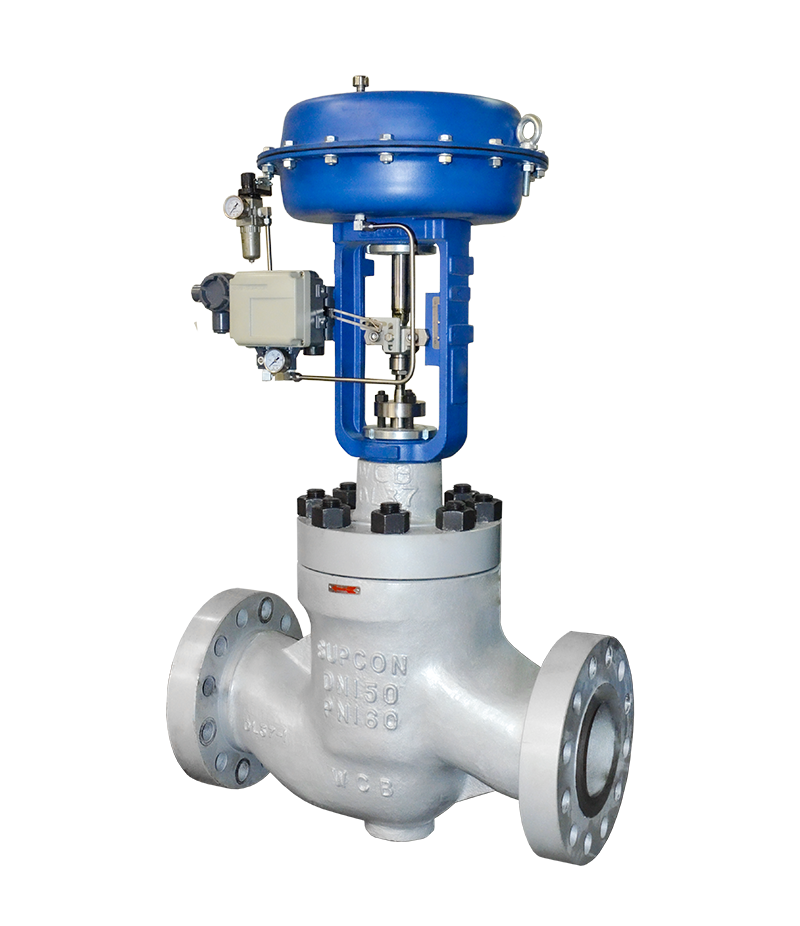
Once you have determined the required Cv, reference the manufacturer's sizing charts for cage guided globe valves like those from SUPCON. For instance, if your Cv is 31.62, you might find that a 2-inch valve meets the requirements, but always consider future flow needs to minimize resizing costs.
Before finalizing your decision, calculate the expected flow conditions across the valve using the selected size. Make sure that the estimated pressure drop complies with operational limits; ideally, maintain a drop of 5-10 psi post-installation.
Record your calculations and findings for future reference. This documentation will be crucial for maintenance and repair, and for making adjustments as the system conditions change.
If your Cv calculation falls between two sizes, it is advisable to round up to the larger valve size. This ensures that your system can meet peak demand without exceeding design parameters.
Higher temperatures can influence the viscosity of fluids, impacting the flow characteristics. It’s essential to adjust your flow calculations based on the operational temperature for accurate valve sizing.
Yes, many modern cage guided globe valves can be fitted with actuation systems to improve response times and accuracy, enhancing system efficiency by approximately 20%.
For further insight, consider reading up on control theory and valve dynamics through resources like the “Control Valve Handbook” by Fisher Controls. This will deepen your understanding of how control engineers optimize flow systems, including the dynamics of valve sizing and selection.
For optimal performance in your applications, we recommend the high-quality cage guided globe valves from SUPCON, which meet and exceed industry standards. With proper guidance and selection, these valves can significantly enhance flow control and operational efficiency. For more information and assistance with your specific application needs, feel free to contact SUPCON's expert team.
Factory: SUPCON Park, No.209 Golf Road, Fuyang District, Hangzhou, 311400, China
Tel.: +86 571 8111 9774
:
E-mail: [email protected]