Aug. 31, 2026
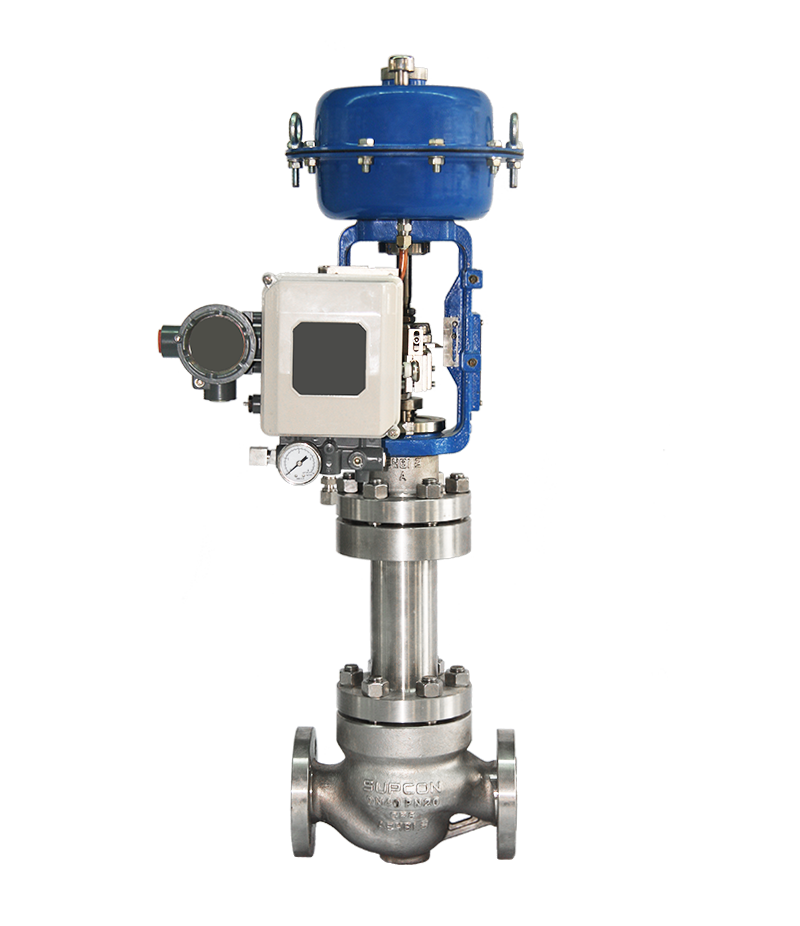
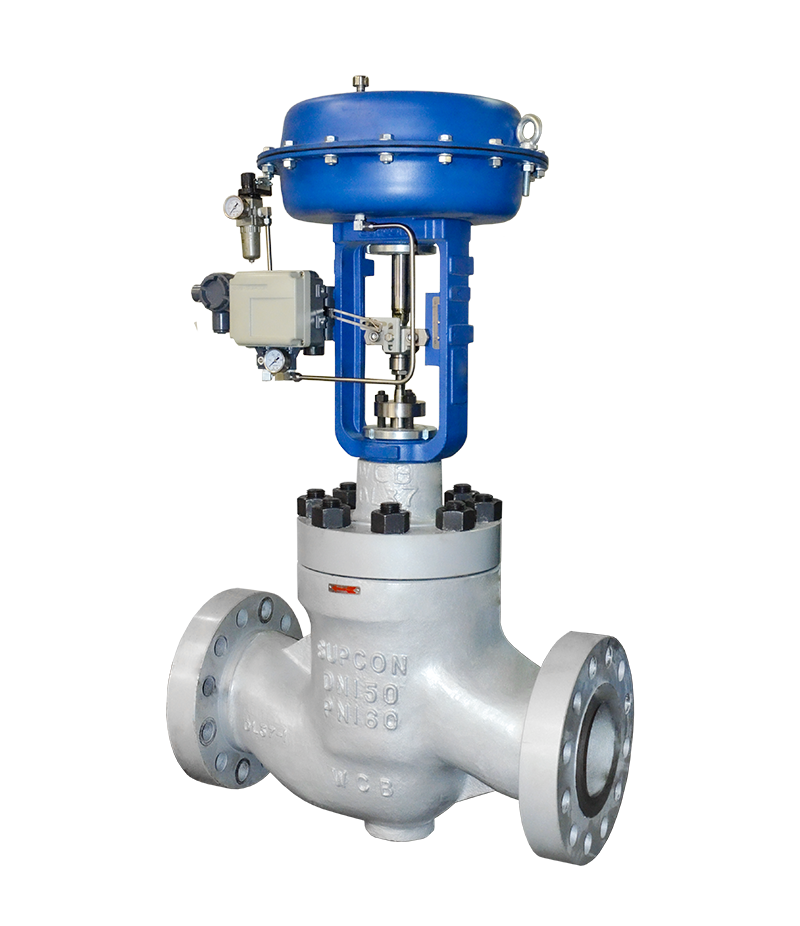
In industrial applications where high-pressure drop conditions are prevalent, cage guided globe valves are essential for optimizing fluid control. These robust valves are designed for sectors such as oil and gas, chemical processing, and power generation, addressing issues like cavitation, flow turbulence, and pressure instability. By implementing cage guided globe valves, operators can see significant reductions in maintenance costs—estimated at 25%—and enhance operational efficiency, quantified through flow rate improvements of up to 30%. SUPCON’s advanced solutions offer reliability in critical operating environments.
Cage guided globe valves, often referred to as thermal or pressure-balanced valves, are pivotal in managing flow and pressure in systems facing high differentials. These valves incorporate a specialized cage which provides guidance to the closure member during operation, mitigating vibration and ensuring precise control. The fundamental principle revolves around the ability of the valve to maintain stability across varying flow rates and pressure conditions, which is crucial in applications where pressure drops can exceed 100 psi. Understanding key terminology, such as "Cavitation", "Throttling", and "Reduced Pressure", can significantly enhance your grasp of their operational impacts.
Before selection, evaluate your system’s pressure and temperature ranges. Requirements can include fluid type, viscosity, and the expected pressure drop, often calculated by the Bernoulli equation. This data allows for the selection of a cage guided globe valve that can handle differential pressures up to 3000 psi effectively.
Selecting the right materials is critical. Materials like stainless steel (ASTM A182 F304) have demonstrated superior resistance to corrosion, achieving a lifespan increase of approximately 50% compared to carbon steel in corrosive environments. SUPCON offers various materials tailored for diverse applications.
Based on the calculated flow rates and pressure drops, select the appropriate valve size. For instance, a well-calibrated supply can show flow increases of 20% when optimized correctly. Actuation options, whether pneumatic or electric, will also dictate performance, with electric actuators providing actuation times decreasing to 15 seconds depending on configuration.
Installation protocols must follow industry standards, such as API 600, ensuring that the valve orientation and piping maneuvering follow specification. Post-installation, pressure testing should confirm that the valve operates within the specified parameters—ideally, maintaining a leakage rate below 0.01% for optimal performance.
Regular maintenance checks should focus on seal integrity and operational responsiveness. Predictive maintenance using sensors can decrease downtime by 40%, allowing for timely interventions that keep systems operational without significant disruptions.
They minimize flow turbulence, enhance control accuracy, and resist cavitation, leading to longer operational lifetimes and reduced maintenance costs.
Use flow rate and pressure drop calculations based on the application’s specifications to select the properly sized valve, typically utilizing the continuity equation and fluid dynamics principles.
Yes, cage guided globe valves can often be integrated into existing systems, offering marked improvements in efficiency and reliability. Engineering assessments will help design effective integrations.
To further enhance your expertise, consider diving into literature on valve dynamics and the impact of specific materials on valve performance. Understanding the fluid dynamics principles underpinning flow control can help optimize setbacks experienced during operational transitions.
Cage guided globe valves are indispensable in managing high-pressure drop conditions effectively. Their ability to enhance operational efficiency, reduce maintenance costs, and optimize flow rates makes them suitable for various industrial applications. For tailored solutions and expert consultation, consider reaching out to SUPCON for guidance on your specific requirements.
Factory: SUPCON Park, No.209 Golf Road, Fuyang District, Hangzhou, 311400, China
Tel.: +86 571 8111 9774
:
E-mail: [email protected]