Jul. 16, 2026
For many engineers and facility managers, valve noise and cavitation represent serious operational challenges in industrial settings. These issues not only lead to equipment wear but also create environmental and productivity problems. Users often express frustration over excessive valve noise levels that can exceed 85 decibels, thus risking potential hearing damage. Additionally, cavitation can cause severe damage, with estimates suggesting that it can cause up to 30% reduction in valve service life. Enter cage design as a critical solution for mitigating these concerns. By employing cage-guided valve technology, users may significantly reduce noise levels and prevent cavitation, promoting seamless operations.
Before diving into the application of cage-guided valves, prepare by gathering specific tools and materials:
Before implementing a cage-guided valve, conduct a detailed assessment of the current valve setup. Analyze noise levels with a decibel meter to establish a baseline and identify where improvements are needed.
Evaluate the flow rates through the existing valves, ensuring they align with operational needs. This will help in determining the appropriate design specifics for the new cage-guided valve.
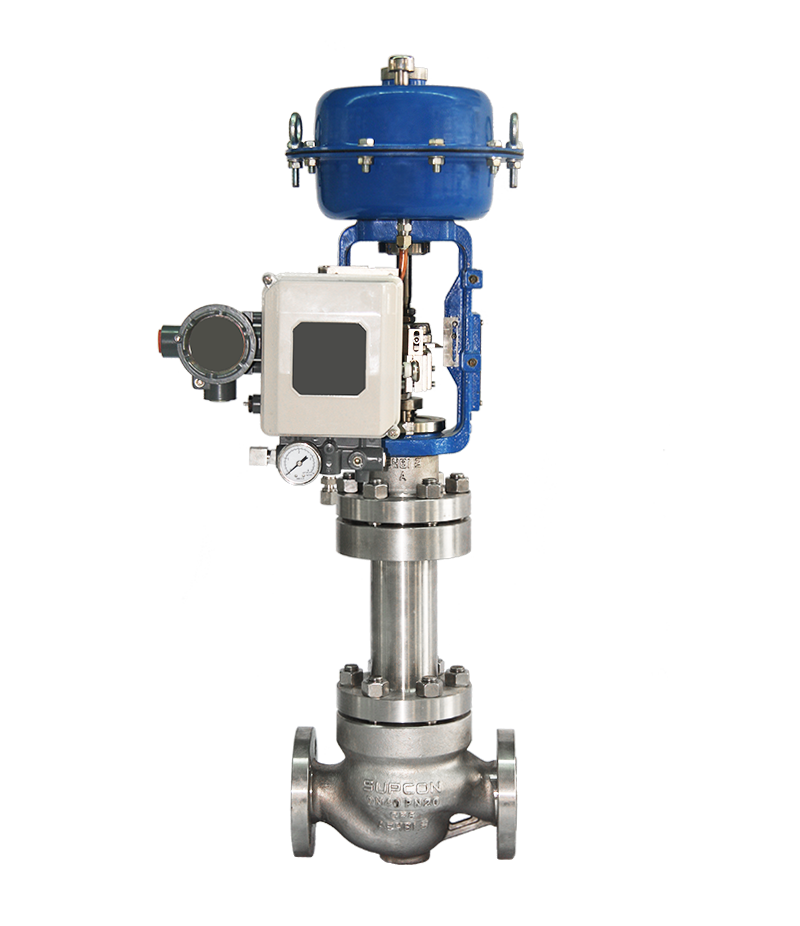
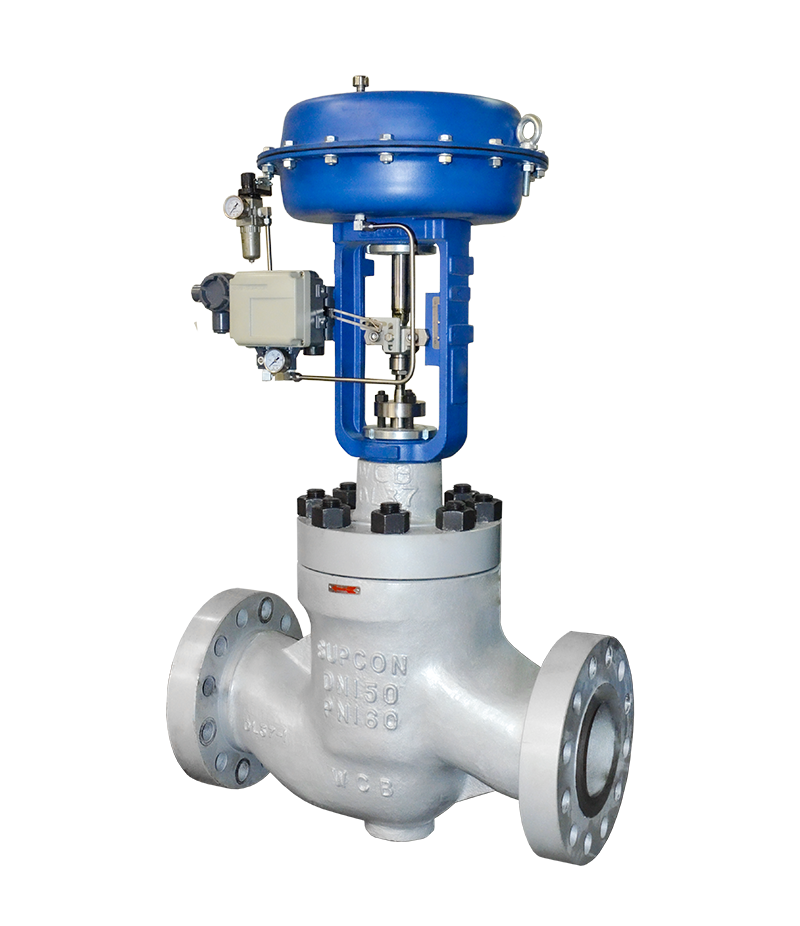
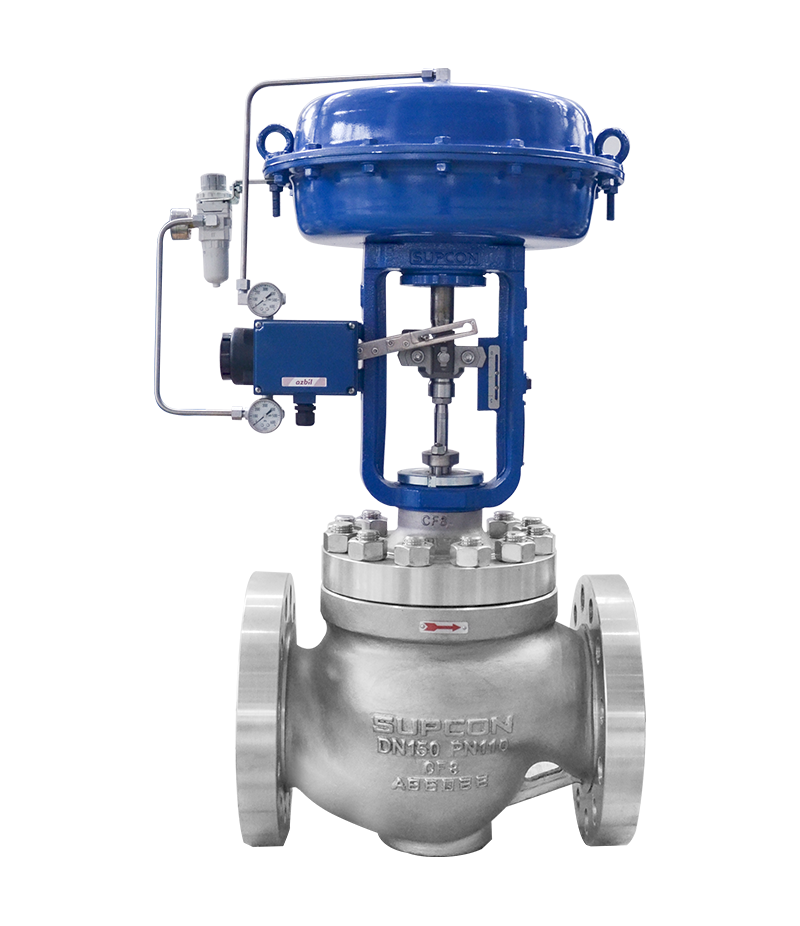
Choose cage-guided valves designed for your specific application. For example, SUPCON offers options that can withstand pressures up to 250 psi while reducing noise by up to 50% compared to standard designs.
Follow these steps for installation:
Once the installation is complete, restart the system while monitoring noise levels and vibrations. Aim for decibel reductions and check for any signs of tool wear, ensuring there are no cavitation bubbles present during operation.
Schedule maintenance every six months to check valve conditions and perform operational tests. Look out for indications of wear, as identified through sonic analysis and physical inspections.
As users transition to cage-guided valve designs, several common errors may arise:
Incorporating cage design into valve mechanisms offers significant benefits in controlling noise and managing cavitation. By conducting thorough assessments, selecting the right products like SUPCON's cage-guided valves, and adhering to proper installation and maintenance practices, users can greatly reduce operational disruptions. Regular monitoring will extend valve lifespan and enhance overall system performance, ensuring a quieter, more efficient environment.
A: Users typically report a noise reduction of up to 50%, minimizing environmental impact and workplace hazards.
A: Indicators include excessive noise (above 85 decibels), visible wear, recurrent failure, or operational inefficiency.
A: Maintenance should be performed semi-annually to ensure optimal performance and longevity of the valve system.
Factory: SUPCON Park, No.209 Golf Road, Fuyang District, Hangzhou, 311400, China
Tel.: +86 571 8111 9774
:
E-mail: [email protected]