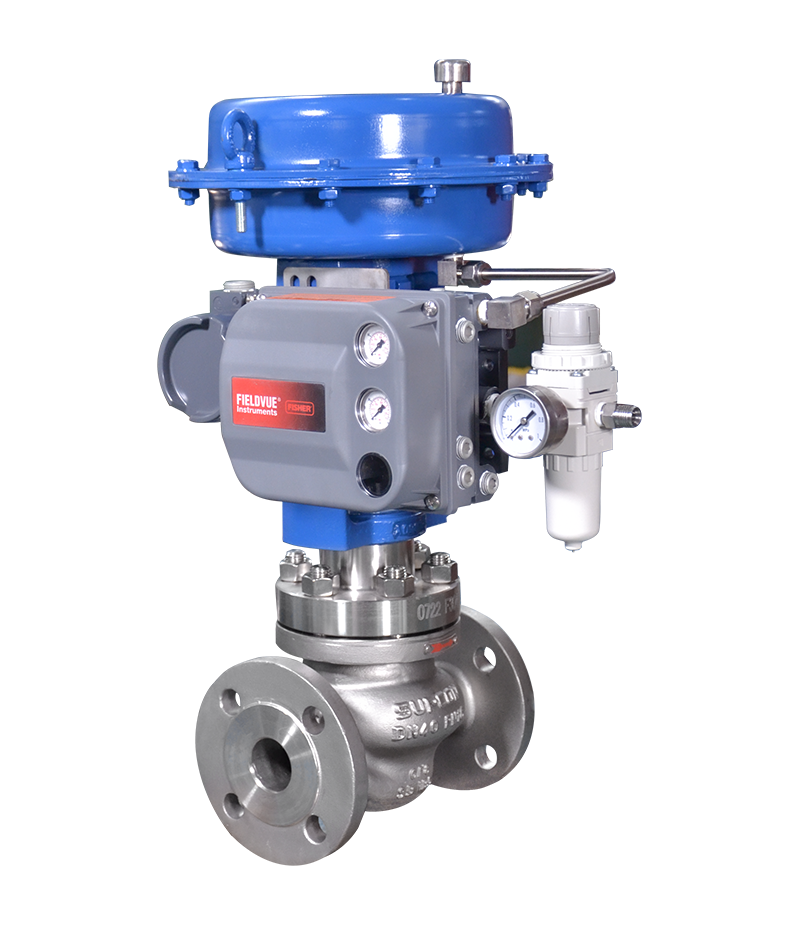
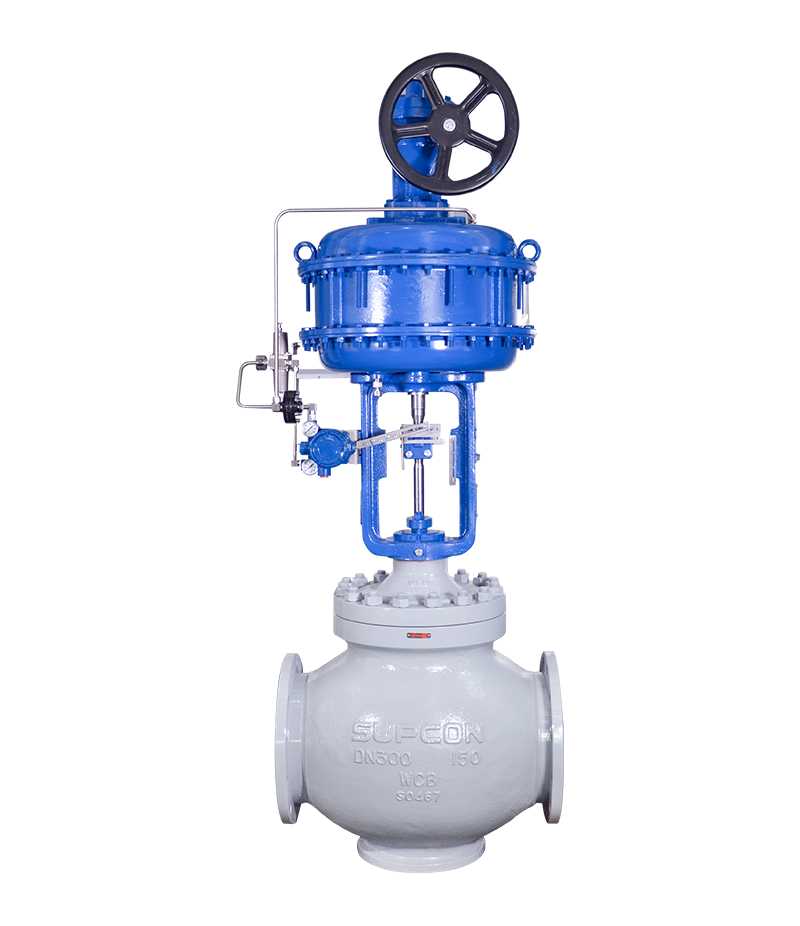
How to Select the Right Actuator for Your Single Seat Valve

Oct. 31, 2026

Introduction: Choosing the Right Actuator for Your Single Seat Valve

When selecting an actuator for your single seat valve, users often encounter complex challenges. Are you frustrated with inconsistent valve performance or high operational costs? Perhaps you’ve faced difficulties in achieving precise flow control or managing valve responsiveness in critical processes. The right actuator can enhance the performance and reliability of your system by increasing efficiency by up to 25%, mitigating downtime, and lowering maintenance costs. Understanding your needs and matching them with the right actuator will ensure your system operates smoothly and effectively.

Required Preparation: Understanding Your Needs

Before diving into the selection process, gather essential materials and determine the specific needs of your application:

  1. Identify the Type of Process: Determine if your process requires pneumatic, electric, or hydraulic actuators. For instance, pneumatic actuators are often preferred for fast-paced environments, while electric options may offer precision.
  2. Understand Valve Specifications: Gather the specs of your single seat valve, including its size, pressure ratings, and the type of medium being controlled. Check the maximum flow rates which can be affected by up to 30% with the wrong actuator.
  3. Choose Your Control Needs: Develop a clear understanding of how you plan to control the actuator. Do you need manual or automated control? Systems integrated with HVAC typically require specific configurations to attain operational efficiency.

Step-by-Step Guidance: Selecting Your Actuator

Follow these actionable steps for selecting the right actuator:

  1. Step 1: Analyze Process Requirements
    Review your process demands. If you're in the food and beverage industry, for example, choosing a clean and sanitary actuator can impact compliance with regulations.
  2. Step 2: Assess Operational Environment
    Evaluate temperature, humidity, and potential exposure to corrosive materials. In petrochemical applications, actuators need to withstand temperatures upward of 300°F (149°C) and pressures over 150 psi.
  3. Step 3: Determine Actuator Size
    Calculate the actuator size based on the valve's requirements. Use a valve sizing calculator to ensure suitable actuator torque, estimated at about 1.5 to 2 times the torque needed to operate the valve smoothly.
  4. Step 4: Choose the Actuator Type
    Based on your analysis, select either a pneumatic or electric actuator. For example, a survey among manufacturing plants revealed that 63% prefer pneumatic actuators for high-speed applications.
  5. Step 5: Calculate Operating Costs
    Review the energy consumption of potential actuators. Electric actuators can reduce operational costs by up to 40% annually compared to pneumatic ones when correctly configured.
  6. Step 6: Ensure Compatibility
    Double-check that the actuator is compatible with your single seat valve. Consulting technical datasheets from leading manufacturers like SUPCON can simplify the process.
  7. Step 7: Test and Validate
    Once a selection is made, conduct tests to confirm performance metrics match your expectations. Validate that flow control improves consistently over time.

Common Errors and Solutions

While selecting an actuator, common pitfalls can arise such as:

  • Underestimating Torque Requirements: Always calculate the torque needed accurately. Use adjustable torque tools for on-site testing.
  • Ignoring Environmental Factors: Ensure selected actuators can handle extreme temperatures or humidity levels. Consult material compatibility charts.
  • Forgetting Future Needs: Consider not only current demands but also future processes since expansion might necessitate different actuator capabilities.

Summary and Suggestions

Selecting the right actuator is crucial for optimizing the performance of your single seat valve. Start from understanding your application needs, and make data-driven choices. Leverage insights from industry case studies, such as how one food production facility increased throughput by 20% by switching to more responsive actuators, and ultimately save operational costs by 15% annually. Always remember to test the configurations and iterate your choice based on performance feedback.

FAQ

What is the best actuator type for my application?
The best actuator type depends on your specific requirements. Generally, pneumatic actuators excel in high-speed operations, while electric actuators provide precise control for applications needing accuracy.
How can I determine the size of the actuator needed?
Use a valve sizing calculator that takes into consideration the specifications of your valve, including pressure drops and flow rates.
Can I use the same actuator for different types of valves?
Not necessarily. Each valve type comes with unique requirements related to torque and travel. It's crucial to ensure compatibility with your specific valve model, potentially using guidelines from manufacturers like SUPCON.