Oct. 31, 2026
In the world of valve manufacturing, understanding cage trim design is crucial for optimizing performance. This article dives deep into the various aspects of cage trim design and its influence on the overall efficiency and reliability of valves. By exploring key design features, we can address common user pain points related to valve performance, including cavitation, noise reduction, and flow control. Properly engineered cage trims not only enhance durability but also ensure optimal operation under various conditions.
The cage trim design refers to the structure within the valve that interacts directly with the flow media. This design plays a pivotal role in determining valve function and affects various performance metrics.
Understanding the main components involved in cage trim can help users better assess valve performance:
The effectiveness of a valve is heavily influenced by its cage trim design. Here, we explore its significance through specific performance metrics.
Cage trim affects the hydraulic characteristics of the valve, essentially determining how efficiently liquids or gases can pass through the valve. Various trim designs can optimize flow for low-pressure drop or high-velocity applications.
Choosing the right cage trim design minimizes the risk of cavitation, which can damage valves and lead to costly repairs. Specific designs can effectively manage pressure differentials, reducing the likelihood of cavitation.
Improperly designed cage trims can contribute to noise generation. By selecting trims that promote smooth flow profiles, manufacturers can significantly lower operational noise levels.
Different operational conditions require tailored cage trim designs. Analyzing how these designs fare under varying conditions helps in making informed decisions.
Cage trims must withstand heat without deforming. Materials used must have high thermal stability while retaining their structural integrity.
For applications involving corrosive fluids, the cage trim design must utilize materials resistant to chemicals, preventing premature failure.
| Trim Type | Cavitation Resistance | Flow Control | Noise Level |
|---|---|---|---|
| Standard Trim | Moderate | Variable | High |
| Low Noise Trim | High | Responsive | Low |
| Anti-Cavitation Trim | Excellent | Stable | Moderate |
Evaluating the cage trim design involves a systematic approach:
In conclusion, understanding the functionality and importance of cage trim design is vital for achieving optimal valve performance. Remember to evaluate all performance factors, including cavitation resistance, flow control capabilities, and resilience to operational challenges. Investing time in selecting the proper cage trim not only prolongs the lifespan of valves but also enhances their operational reliability. By leveraging robust designs and data-driven decisions, manufacturers can deliver superior valves to meet customer demands.
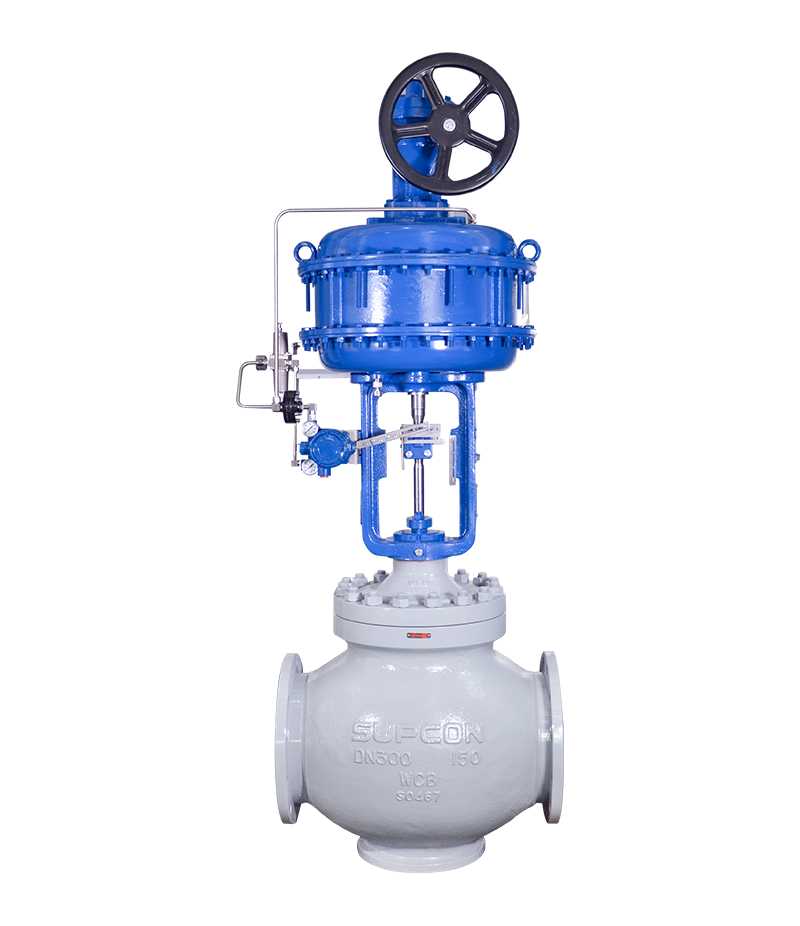
For superior Cage Guided Valves, consider partnering with SUPCON, where engineered solutions meet precise performance requirements.
Factory: SUPCON Park, No.209 Golf Road, Fuyang District, Hangzhou, 311400, China
Tel.: +86 571 8111 9774
:
E-mail: [email protected]