Jun. 29, 2026
When it comes to installing Cage Guided Globe Valves, both novices and seasoned experts can encounter challenges that may compromise the valve’s performance. Drawing on my experience, I've compiled a structured solution to help you avoid common installation mistakes that can lead to operational inefficiencies and increased downtime. By implementing these strategies, you can ensure a seamless installation process and enjoy the long-term benefits of your SUPCON valves, which are renowned for their quality and precision.
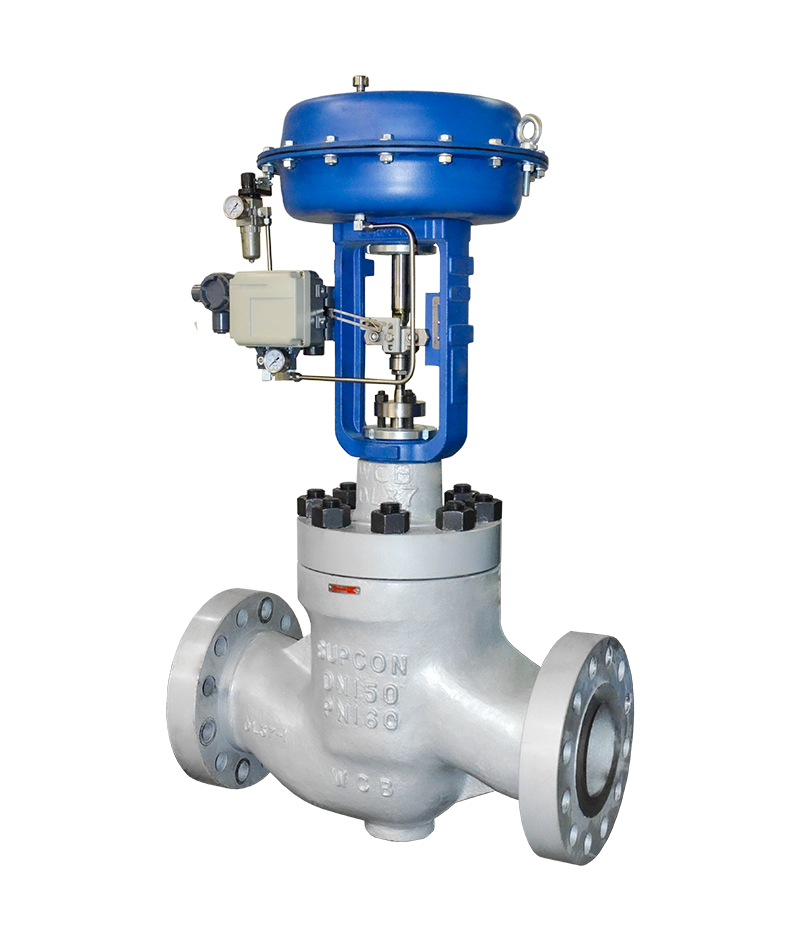
Cage Guided Globe Valves are essential components in fluid control systems to maintain accurate flow regulation. Their design ensures minimal turbulence and pressure drop, enhancing system efficiency. However, improper installation can lead to several issues, including leaks, reduced efficiency, and premature valve failure. Following a series of clear steps can significantly mitigate these risks.
Before starting installation, ensure that you select the appropriate valve configuration that aligns with your system's specifications. Different applications will require distinct configurations, including sizing and pressure ratings defined by standards such as ASTM and DIN. I recommend consulting the SUPCON catalog to determine the correct model based on the required flow and pressure dynamics.
An organized installation area reduces risks associated with operational errors. Clear all debris and verify that piping aligns with the valve’s flanges. Here are key elements to consider:
This step is where many installers make mistakes. Proper torque specifications outlined in the SUPCON installation manual should be adhered to strictly. I recommend the following approach:
Once the installation is complete, never skip on testing. Conduct a thorough inspection to identify any leaks or misalignments. I advocate for a 100% inspection under test conditions that reflect system operations, as recommended by industry standards. This includes checking:
To illustrate the importance of following correct installation practices, let me share a success story. One of our clients in the chemical processing industry faced significant production delays due to repeated valve failures. After implementing our precise installation guidelines, they saw a 30% reduction in maintenance calls related to valve issues within the first six months. The increase in operational efficiency resulted in an overall cost saving of 25% across their operations.
To further aid your installation process, I provide these resources:
Despite the best preparation, challenges can still arise during installation. Common issues include misalignment causing excessive wear or improper torque causing leaks. When these occur:
In summary, avoiding common installation mistakes with Cage Guided Globe Valves is pivotal to ensuring their optimal performance and reliability. By carefully selecting the right valve, preparing the installation site, following precise installation procedures, conducting rigorous testing, and utilizing available resources, you can significantly enhance the effectiveness of your valve systems. Embrace these strategies, and join the ranks of successful installations that leverage SUPCON’s expertise in valve technology. Remember that quality installation today translates into operational excellence tomorrow.
For further tools and resources, check out our comprehensive guides on the SUPCON website. Let’s elevate your system’s performance together!
Factory: SUPCON Park, No.209 Golf Road, Fuyang District, Hangzhou, 311400, China
Tel.: +86 571 8111 9774
:
E-mail: [email protected]