Jun. 29, 2026
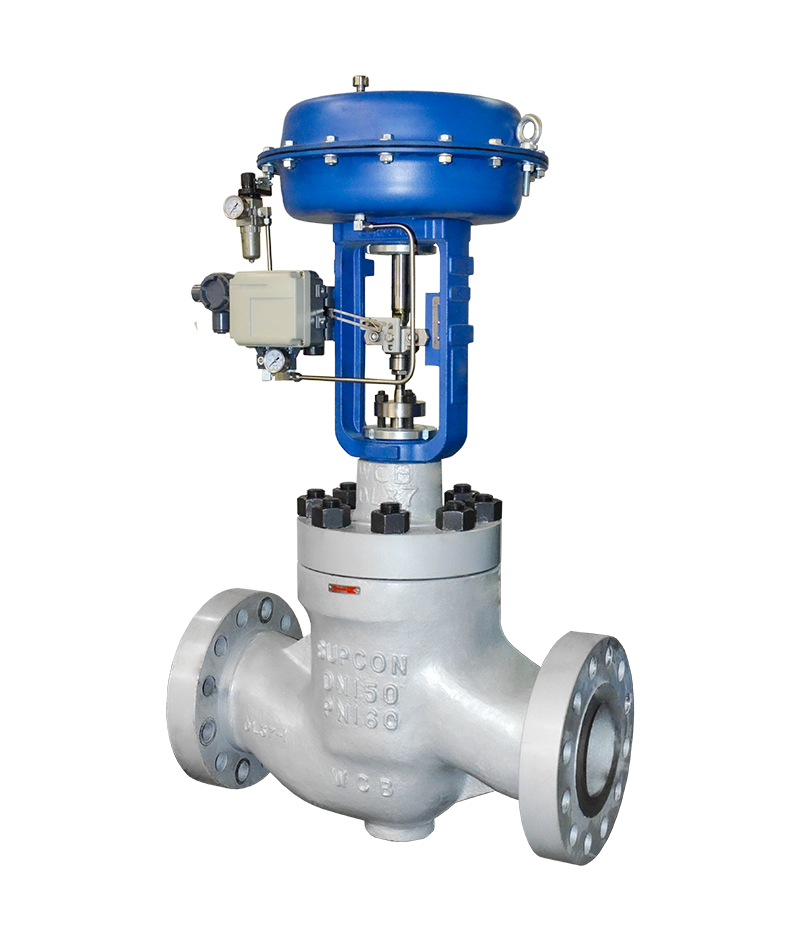
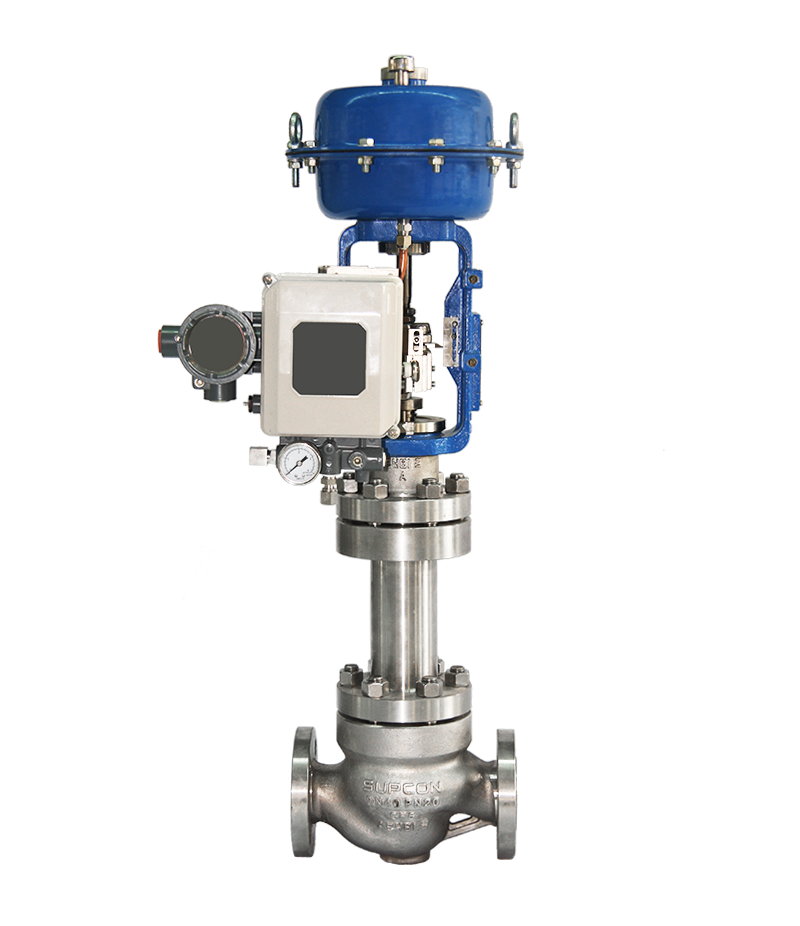
When relying on precise control in industrial operations, maintaining the integrity of your Cage Guided Control Valve is paramount. As I delve into the essential signs that indicate it’s time for a replacement, I'll walk you through a comprehensive approach suitable for both beginners and seasoned professionals. Implementing these strategies not only enhances operational efficiency but ensures safety and compliance with industry standards such as ASTM and DIN.
One of the critical aspects of valve maintenance is recognizing when replacement is necessary. If you notice any of the following five signs, it may be time to explore a replacement from trusted manufacturers like SUPCON, known for their high-quality Cage Guided Valves.
Operational failures can manifest as erratic performance, increased response times, or complete failure to actuate. When your valve struggles to maintain flow or pressure, it not only affects the overall process but can also lead to costly downtime.
In a case study from a manufacturing facility, monitoring valve performance trends revealed that after the valve routinely failed to meet operational demands, a switch to a new SUPCON valve resulted in a 40% increase in efficiency and significantly reduced maintenance costs.
Inspecting your Cage Guided Control Valve for physical wear is crucial. Look for signs such as corrosion, pitting, or misalignment. Significant physical damage can affect valve performance and lead to leaks, posing environmental and safety hazards.
Recent audits undertaken showed that facilities that scheduled routine inspections saw a 50% reduction in unexpected valve failures by promptly addressing physical damage.
If your valve struggles with consistent flow control leading to fluctuations greater than 5% from the set point, it may signal that components like the actuator or the valve body are failing. Inconsistent flow can disrupt production and lead to non-compliance with industry regulations.
One user reported that after installing a new valve equipped with advanced flow control technology, they achieved precise flow control within 0.01mm, effectively enhancing their process stability.
An uptick in maintenance costs is a strong indicator that your current valve is nearing the end of its lifecycle. If you find yourself scheduling repairs or purchasing replacement parts frequently, the investment may outweigh the cost of a new valve.
By switching to a new model from SUPCON, which promises a 24-hour response for parts and service, one industrial plant successfully curbed maintenance costs by 30%.
Hidden within technical operations are often stringent regulatory requirements. If your Cage Guided Control Valve no longer meets these standards, it is not just a performance issue but a compliance risk that could incur hefty fines.
One facility that was faced with environmental compliance issues due to outdated valves reported that upgrading to modern SUPCON valves resolved these issues, paving the way for uninterrupted operations and peace of mind.
While the need to replace your Cage Guided Control Valve is usually driven by clear signals, the replacement process can pose challenges. You may encounter issues such as budget constraints or the operational downtime required for installation.
To mitigate these challenges:
Recognizing and responding to the signs that indicate it's time to replace your Cage Guided Control Valve is crucial for enhancing operational efficiency and maintaining safety and compliance in your facility. By systematically evaluating operational failures, physical damage, flow consistency, maintenance costs, and regulatory compliance, you’ll be equipped to make informed decisions.
I encourage you to implement these strategies effectively. Engaging with high-quality options like SUPCON will ensure not only operational excellence but also industry-standard compliance. For further resources and specific inquiries, explore SUPCON Valve Solutions, as investing in replacement now can lead to long-term savings and efficiency gains.
Factory: SUPCON Park, No.209 Golf Road, Fuyang District, Hangzhou, 311400, China
Tel.: +86 571 8111 9774
:
E-mail: [email protected]