Jul. 16, 2026
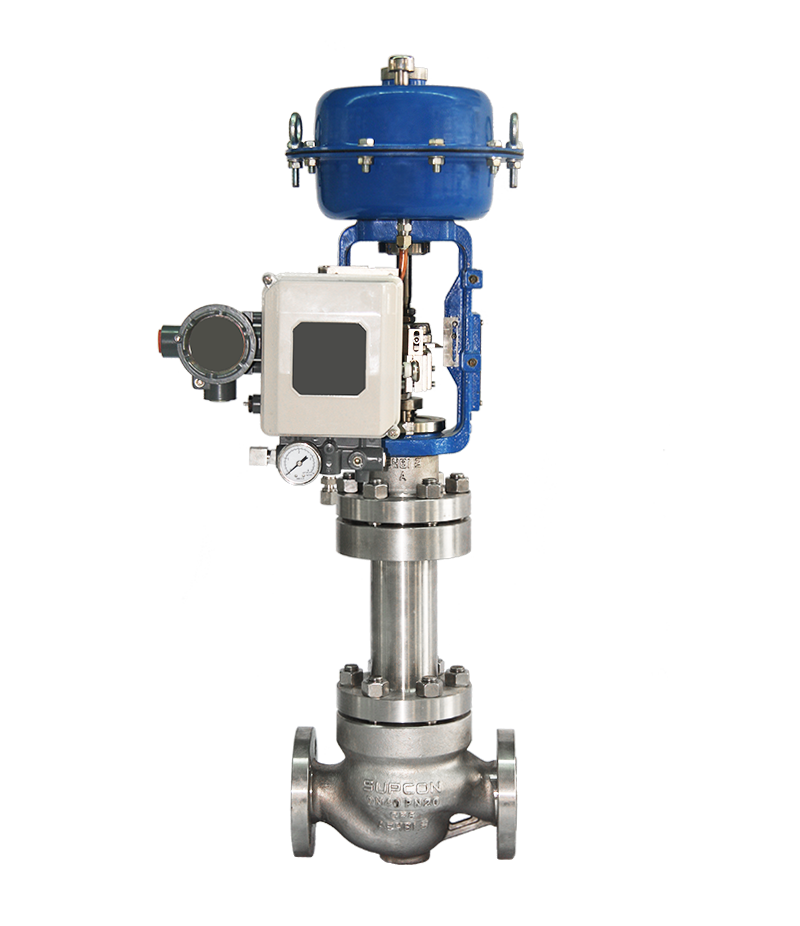
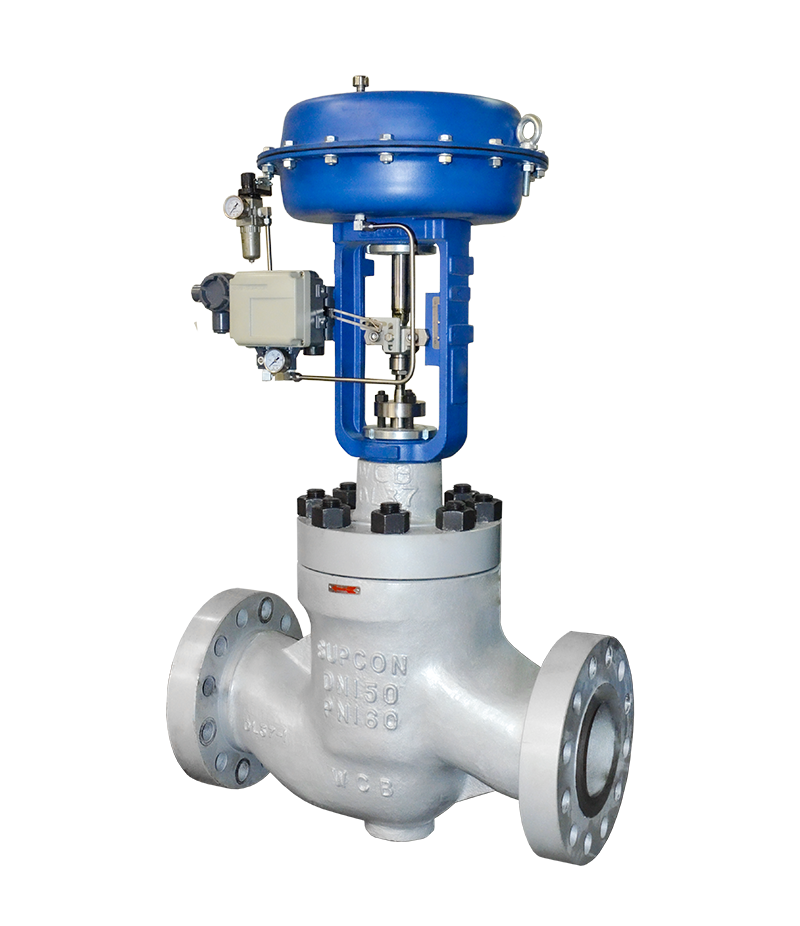
Cage-guided globe valves play a pivotal role in the industrial landscape, primarily utilized for regulating fluid flow in various systems. These valves are designed to provide precision control and ensure minimal flow turbulence, making them essential in applications ranging from oil and gas to chemical processing. The construction materials used in these valves are critical as they directly affect durability, performance, and overall operational efficiency. Choosing the right materials not only maximizes the valve's lifespan but also enhances safety and reliability in your system.
Historically, the evolution of globe valves has seen significant advancements in materials and design, paralleling the growth of industries that demand ever more stringent standards of quality and control. Initially crafted from simple cast iron, modern globe valves, including the cage-guided varieties, are often manufactured using a selection of metals and alloys that can withstand high pressures and corrosive environments. The shift towards materials such as stainless steel, duplex steel, and exotic alloys has been driven by the need for valves that can endure extreme conditions without compromising functionality.
The practical applications of cage-guided globe valves are extensive. In petroleum refining, for instance, they help regulate feedstock flows, ensuring precise control during critical processes, which can increase refining efficiency by up to 30%. In chemical manufacturing, using appropriately chosen materials can prevent valve failures, which, according to industry statistics, can lead to losses upwards of 5% of annual production if not adequately addressed. Therefore, selecting the right materials for cage-guided globe valve construction can lead to marked improvements in operational efficiency and reduced maintenance costs, ultimately benefiting the bottom line of businesses.
Despite their importance, misconceptions about the suitability of construction materials for cage-guided globe valves persist. A common error is the assumption that all stainless steels have equivalent corrosion resistance. This is not the case; factors such as specific alloy composition and surface treatment can dramatically influence performance. Additionally, some may underestimate the significance of incorporating non-metallic components like PTFE seals, which provide superior sealing capabilities and can extend service life in aggressive environments.
For a clearer perspective, consider the case of an oil refinery that experienced frequent valve failures. After detailed analysis, the refinery switched to high-grade ASTM A182 F316L stainless steel for their cage-guided globe valves, which led to a dramatic reduction in leaks and overall maintenance costs. The shift not only improved operational reliability but also enhanced safety, showing how vital proper material selection is for valve performance.
In summary, understanding which materials are best for cage-guided globe valve construction is crucial for optimizing performance, maintaining safety, and ensuring the longevity of the equipment. Emphasizing quality materials such as stainless steel and following stringent standards like ASTM and DIN can deliver unmatched reliability and efficiency in real-world applications. As a business, investing in superior materials for your cage-guided globe valves from trusted manufacturers like SUPCON can lead to significant operational benefits. Explore your options and take action to safeguard your industrial processes today. 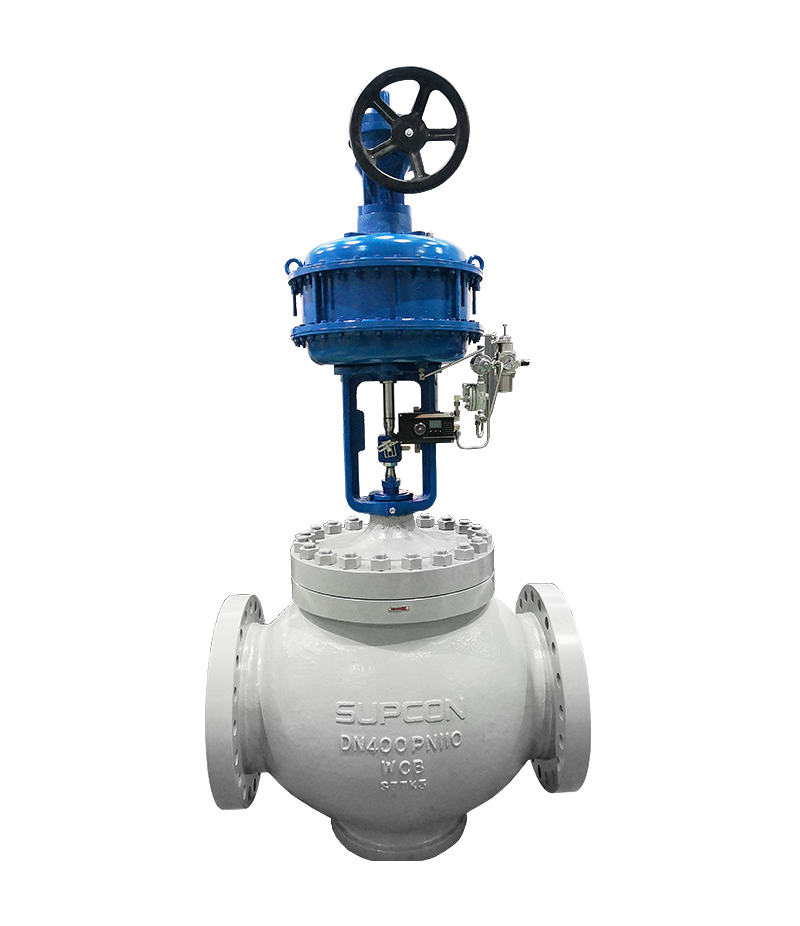
Factory: SUPCON Park, No.209 Golf Road, Fuyang District, Hangzhou, 311400, China
Tel.: +86 571 8111 9774
:
E-mail: [email protected]