May. 11, 2026
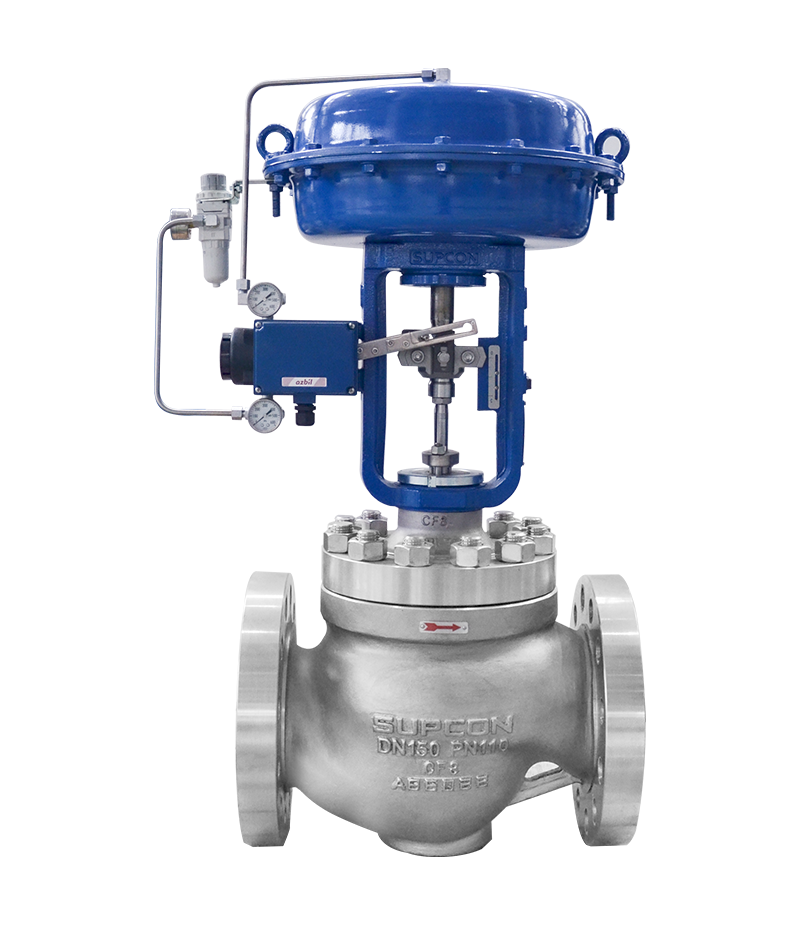
Multi-stage cage guided globe valves are critical components in industrial applications, renowned for their precision and reliability. Understanding when to use these valves is essential for optimizing system performance, improving control accuracy, and ensuring safety in various conditions. This article explores the optimal scenarios for implementing multi-stage cage guided globe valves, helping users make informed decisions based on data and application requirements.
These valves are designed to minimize turbulence and maintain a controlled flow in critical systems. They offer enhanced performance, especially under high-pressure and temperature conditions.
Multi-stage cage guided globe valves feature a unique cage structure that allows for gradual flow regulation. This design effectively reduces vibration and allows for smoother operation, making them ideal for services subjected to fluctuating pressures.
Identifying ideal applications for these valves can enhance operational efficiency.
In high-pressure environments, such as oil and gas extraction, the reliability of control valves is paramount. Multi-stage cage guided globe valves can manage extreme pressures and are pivotal in safety-critical applications.
These valves are particularly effective in systems where flow rates may vary significantly. Their design allows for precise adjustments, ensuring stable flow regardless of fluctuations.
Several factors affect the decision to choose a multi-stage cage guided globe valve over other types.
Multi-stage cage guided globe valves excel in high-temperature environments. Materials used in their construction are selected based on their thermal properties to withstand heat without compromising integrity.
The nature of the fluid (i.e., corrosive, viscous) plays a significant role in valve selection. Multi-stage valves can be customized with different material coatings to handle challenging fluid characteristics effectively.
| Feature | Multi-Stage Cage Guided Globe Valve | Standard Globe Valve |
|---|---|---|
| Pressure Handling | High | Moderate |
| Flow Regulation | Precise | Basic |
| Temperature Resistance | Superior | Standard |
| Typical Uses | Industrial, High Risk | General |
To make an informed choice, users should follow a systematic approach.
Establish the parameters of your system including pressure, temperature, and fluid type.
Analyze how performance will be affected by potential challenges in your specific application.
Be mindful of whether the system may require modifications in the future, as multi-stage cage guided globe valves are adaptable.
These valves offer numerous advantages that can greatly impact operational efficiency.
They provide better control over flow and pressure, resulting in a more efficient system.
By accurately managing high pressures and flow rates, they significantly reduce the risk of failures.
Multi-stage cage guided globe valves are designed for durability, ensuring a longer service life and reduced maintenance costs.
It\'s vital to debunk myths to assist in their proper usage.
While high pressure is a key benefit, their precision also makes them valuable in lower pressure scenarios where flow control is critical.
With proper instructions and understanding, installation can be straightforward. Skilled personnel can efficiently manage the installation process.
In many industrial applications, the choice of using a multi-stage cage guided globe valve can lead to substantial benefits, including enhanced flow control, improved system safety, and operational longevity. When evaluating your specific needs, consider the operational context, pressure, flow characteristics, and potential for future system enhancements. Such thorough consideration will guide you toward making the most effective valve selection for your operations.
For your multi-stage cage guided globe valve needs, look no further than SUPCON. With a commitment to quality and performance, SUPCON provides reliable valve solutions tailored to your specific requirements.
Factory: SUPCON Park, No.209 Golf Road, Fuyang District, Hangzhou, 311400, China
Tel.: +86 571 8111 9774
:
E-mail: [email protected]