May. 11, 2026
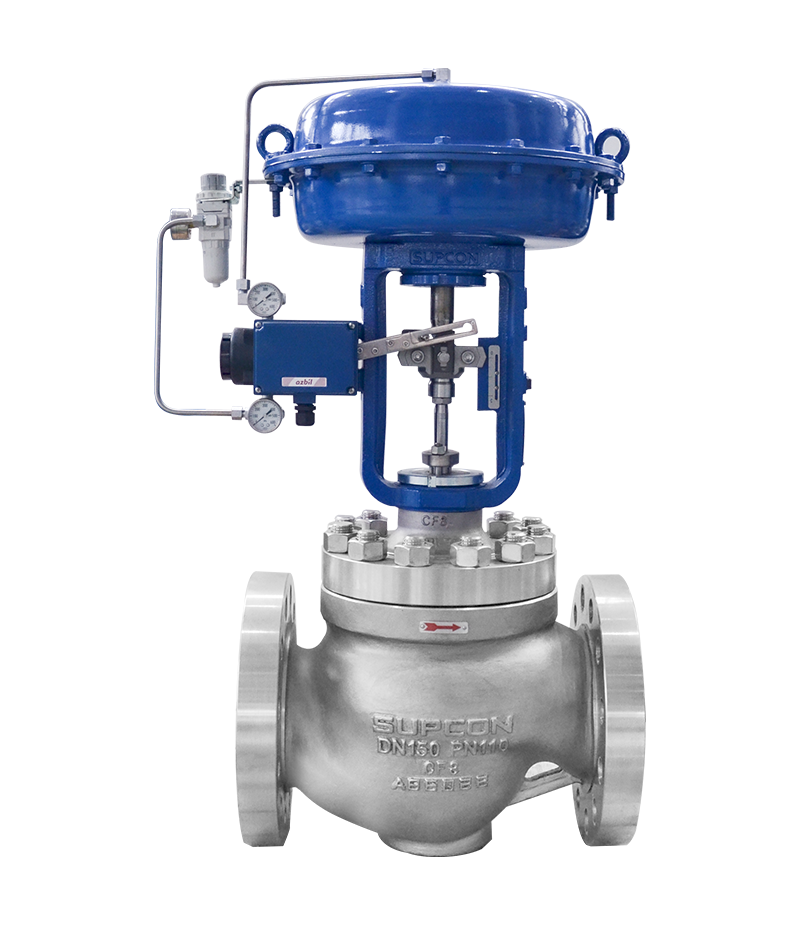
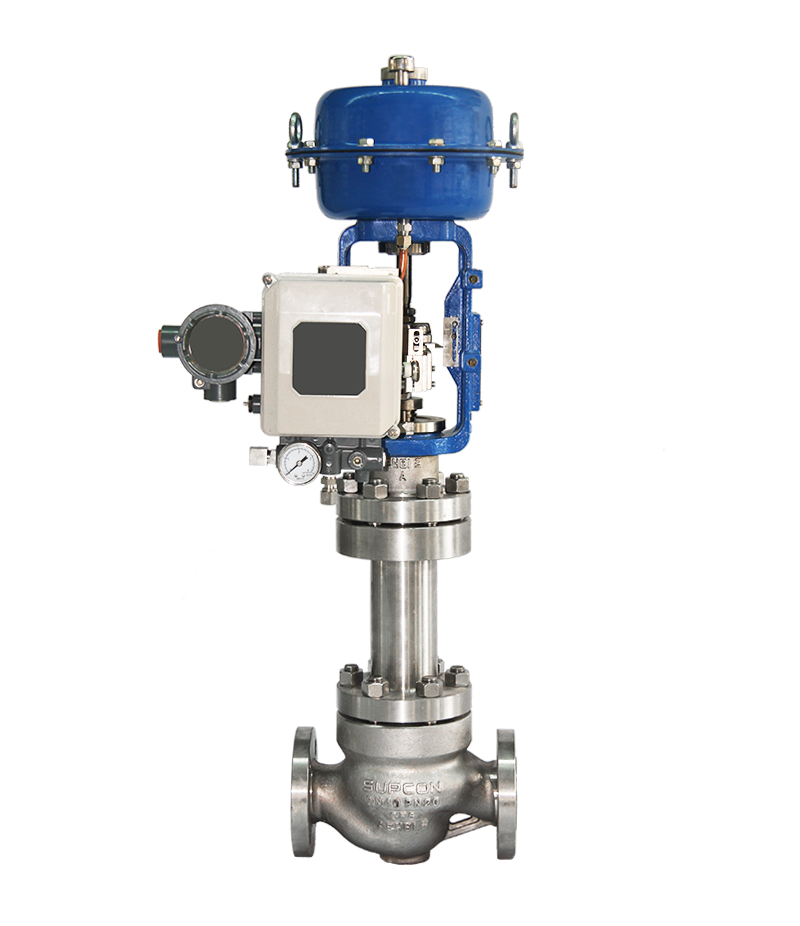
Selecting the correct actuator for your cage guided valve is crucial for ensuring optimal performance in various industrial applications. Whether you're a seasoned professional or just starting, understanding the intricacies of valve and actuator compatibility is essential. At SUPCON, we recognize that the right pairing can significantly enhance system efficiency. In this article, I will guide you through structured steps to identify the best actuator for your cage guided valve, ultimately leading to improved reliability and functionality.
Understanding the relationship between your cage guided valve and its actuator involves careful consideration of several factors. The first step is to assess the operational environment your valve will be exposed to. Identify parameters such as pressure, temperature, and fluid characteristics, which are pivotal in determining actuator selection—especially when adhering to standards like ASTM and DIN, which govern material integrity and performance.
Next, evaluate your control requirements. Do you need a precise or rapid response? This is where actuators such as electric or pneumatic come into play. For applications requiring a response within 0.01mm precision and 100% inspection compliance, electric actuators often rise to the occasion. They provide fine control and are ideal for applications demanding sophisticated feedback systems.
As part of the process, I recommend cross-referencing actuator specifications with the cage guided valve's design criteria. This involves checking compatibility in terms of sizing and mounting options. Many manufacturers provide detailed specifications to mitigate mismatching issues.
Let me share a case where a manufacturing plant upgraded to a SUPCON electric actuator for their cage guided valve applications. They reported:
This transition not only improved operational effectiveness but also aligned with best practices in valve automation, ultimately boosting production output.
Equip yourself with the following tools and resources to make informed choices:
Despite thorough planning, challenges can arise, such as miscalibrated systems or unforeseen environmental factors. To mitigate these:
In conclusion, ensuring that you are using the right actuator for your cage guided valve is not merely about selection; it's a systematic approach based on understanding both your operational needs and available technologies. By following the steps outlined and engaging with reputable brands like SUPCON, you can enhance both the efficiency and reliability of your systems. I encourage you to implement these strategies thoroughly for optimal results.
For more information and to explore additional resources, visit SUPCON's official site, where you can find detailed specifications and support to assist you in your actuator selection process.
Factory: SUPCON Park, No.209 Golf Road, Fuyang District, Hangzhou, 311400, China
Tel.: +86 571 8111 9774
:
E-mail: [email protected]