Sep. 29, 2026
In the world of industrial automation and process control, the transition to smart plants marks a crucial step in optimizing operational efficiency and productivity. However, one persistent problem that cannot be overlooked is the inefficiency of conventional valve systems, particularly traditional globe valves that often lead to increased operational costs and significant downtime. This inefficiency stems primarily from limited flow control capabilities and the higher frequency of maintenance required, which can exacerbate issues like process delays and inefficient resource allocation. For companies aiming to maintain their competitive edge, it is paramount to address these concerns upfront, as neglecting them ultimately threatens profitability and market position.
Understanding why these inefficiencies arise requires a closer look at the inherent design of traditional globe valves, which often involve multiple seats and a more complex assembly. This complexity can lead to significant wear over time, reducing precision and making it challenging to maintain flow control to within critical specifications. According to the American National Standards Institute (ANSI) and the International Organization for Standardization (ISO), precision in flow control is paramount in industrial operations to ensure safety and compliance. This is where Single Seat Globe Valves, like those offered by SUPCON, come into play, providing an optimized solution for modern process needs.
The impact of choosing the right valve system extends well beyond mere operational efficiency; it influences every aspect of an industrial process. Companies that implement single seat globe valves report enhanced reliability and reduced costs associated with maintenance. With a single-seated design, these valves can achieve more precise flow control and greater durability under high-pressure conditions. The transition not only leads to optimized resource management but also aligns with environmental sustainability goals by minimizing waste and energy consumption. As smart plants continue to evolve, the need for advanced components that can integrate seamlessly into sophisticated control systems has never been more critical.
To illustrate the advantages, a study conducted on a chemical manufacturing plant showed that switching from traditional globe valves to single seat designs resulted in a 25% reduction in energy consumption and up to 40% fewer maintenance interventions over a year. Additionally, another case demonstrated that by utilizing single seat globe valves, manufacturers improved their production schedules by enhancing response time to dynamic process changes, thus elevating overall productivity.
Despite the clear benefits, the consequences of ignoring these technological advancements can be severe. Companies that stick with outdated valve systems risk facing increased operational costs, safety incidents, and compliance violations as regulatory standards tighten globally. Furthermore, as businesses shift towards smart operations under Industry 4.0 paradigms, failing to adapt could result in a decline in market relevance for those unwilling to innovate.
In conclusion, as the industrial sector continues to gravitate towards smarter plant operations, I encourage decision-makers to evaluate their valve systems critically. Embracing single seat globe valves like those manufactured by SUPCON is not just a matter of choice but a strategic imperative to ensure operational excellence. Investing in advanced valve technology will pave the way for enhanced efficiency and secure a competitive position in today's fast-paced market. Don't wait for operational risks to escalate—act now and transform your processes with smart valve solutions. For more information on sustainable valve solutions, check out this resource: 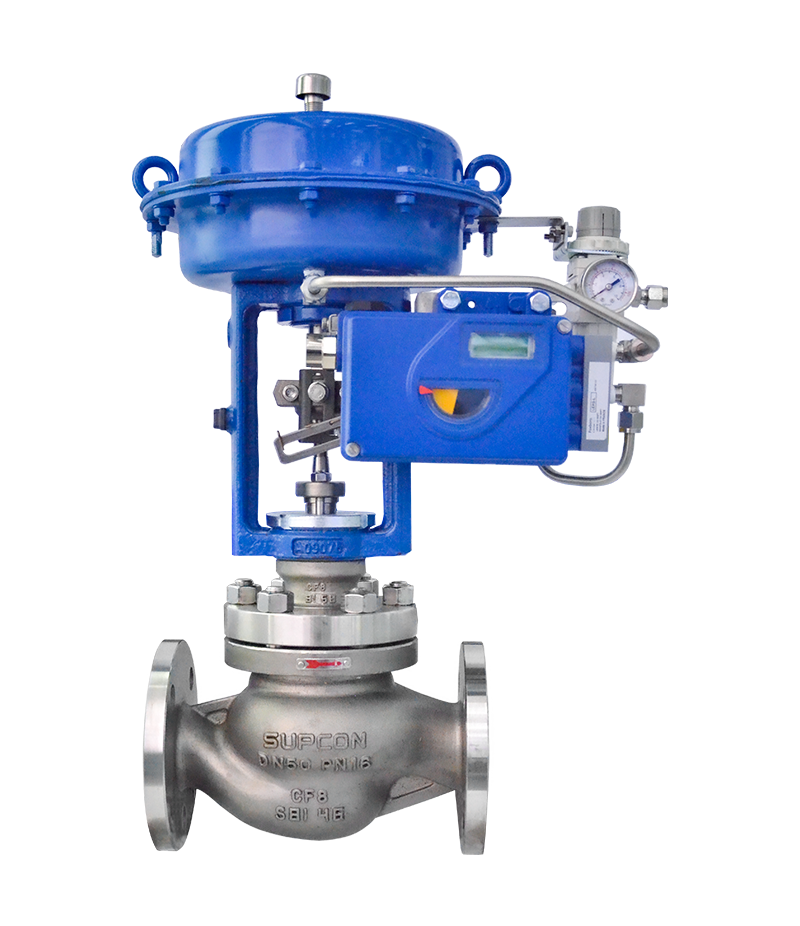 .
.
Factory: SUPCON Park, No.209 Golf Road, Fuyang District, Hangzhou, 311400, China
Tel.: +86 571 8111 9774
:
E-mail: [email protected]