The Step-By-Step Buying Guide for Engineers
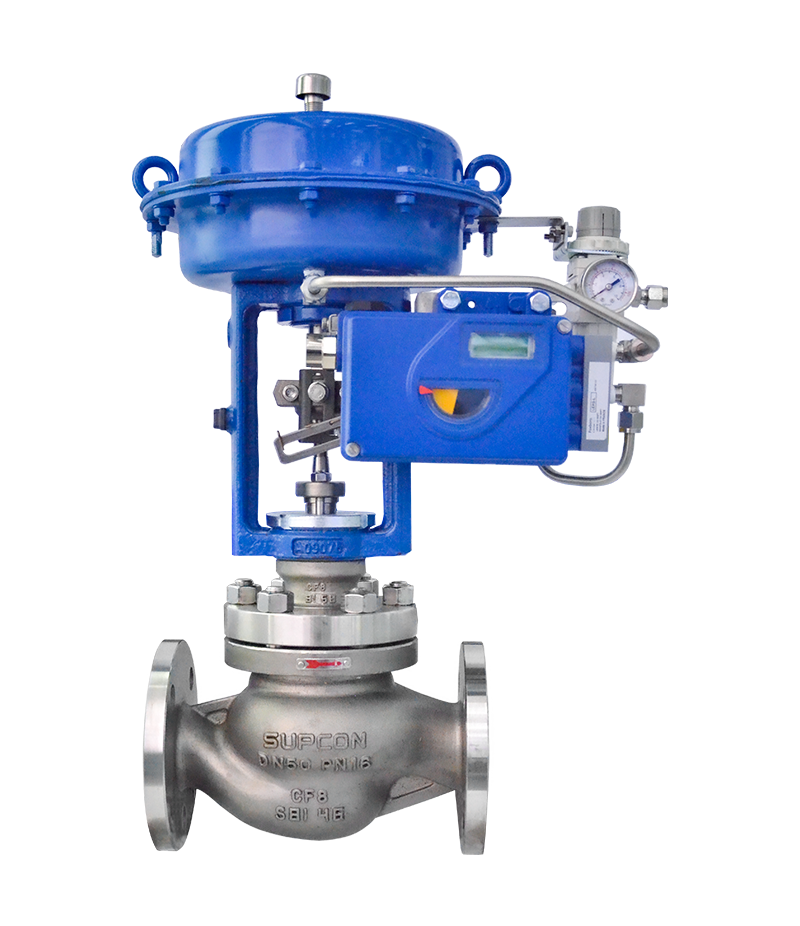
When it comes to procuring the right equipment, engineers often face a myriad of choices. Understanding which products to select is crucial, especially in specialized fields such as valve manufacturing. For instance, if you are in the market for a pneumatic globe valve, especially from reputable manufacturers like SUPCON, understanding the buying process can make a significant difference to both efficiency and budget. This guide will navigate you through essential steps to ensure that your purchasing decisions are well-informed and streamlined.
1. Identify Your Requirements
Before making any purchases, it's essential to understand your specific needs.
- Project Specifications: Define the technical specifications required for your application, including pressure ratings, fluid types, and sizing.
- Operational Environment: Assess the operating conditions, such as temperature limits and corrosion factors.
- Compliance Standards: Ensure products meet industry regulations and standards specific to your field (e.g., ISO, ANSI).
2. Research Available Products
With your requirements in mind, start exploring options that meet those needs.
- Industry Reviews: Check product reviews and buyer testimonials from trusted sources. Websites like [Engineering.com](https://www.engineering.com) and [Automation.com](https://www.automation.com) provide valuable insights.
- Manufacturer Reputation: Assess the credibility of manufacturers, focusing on their experience, customer service, and warranty policies.
- Product Comparison: Use comparison tools and charts to evaluate different products side by side.
3. Evaluate Cost vs. Value
Price is important, but value must be considered against your purchasing criteria.
- Initial Costs: Gather quotes from multiple suppliers and compare pricing for similar products.
- Total Cost of Ownership: Factor in maintenance, energy consumption, and potential replacement costs over time.
- Negotiation: Don’t hesitate to negotiate or ask for discounts, especially for bulk purchases.
4. Seek Expert Opinions
Leverage the expertise available in your industry to make informed choices.
- Consult Colleagues: Engage with peers or experts with experience in valve specifications and supplier relations.
- Attend Webinars/Workshops: Join events focusing on valve technology trends and best practices.
- Supplier Consultations: Directly communicate with manufacturers and their technical teams for tailored advice.
5. Make the Purchase
After thorough research and evaluations, proceed with the purchasing process.
- Finalize Order: Ensure all specifications are met before confirming your order.
- Payment Terms: Review payment options and financing plans offered by suppliers.
- Order Confirmation: Keep records of your order for future reference.
6. Post-Purchase Evaluation
Once your products have been delivered, evaluate their performance.
- Installation Review: Confirm that installation goes smoothly and meets operational requirements.
- Performance Testing: Conduct testing to ensure products operate as expected.
- Supplier Follow-Up: Maintain communication with suppliers for support and feedback on product quality.
7. Continuous Improvement and Feedback
Collect feedback to enhance future purchasing decisions.
- Document Experiences: Keep records of what worked well and what didn’t for future reference.
- Survey Team Feedback: Involve your team in discussions about product efficacy and performance.
- Stay Informed: Continuously watch for new developments and innovations in valve technology.
Conclusion
This step-by-step buying guide aims to empower engineers to make better purchasing decisions that enhance project outcomes. By identifying needs, conducting thorough research, and critically evaluating options, you are more likely to select the right pneumatic globe valve or any other engineering equipment necessary. For reliable options, consider manufacturers like SUPCON, known for their high-quality engineering solutions.