Apr. 22, 2026
In the world of process plants, the selection of the right valve can significantly influence operational efficiency and safety. Many facilities face challenges such as high pressure, extreme temperatures, and abrasive media that can lead to valve failure. For instance, conventional valves often experience wear and tear due to these harsh conditions, leading to increased maintenance costs and operational downtime. This is where cage guided globe valves become a saving grace. They not only address common pain points but also enhance operational reliability under severe service conditions.
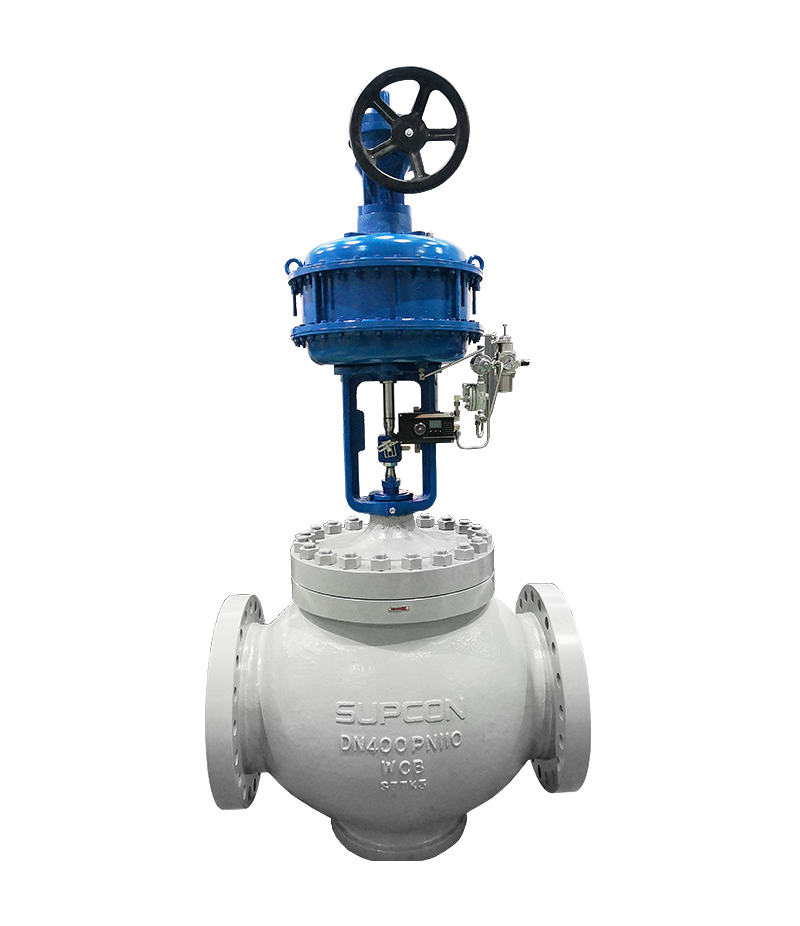
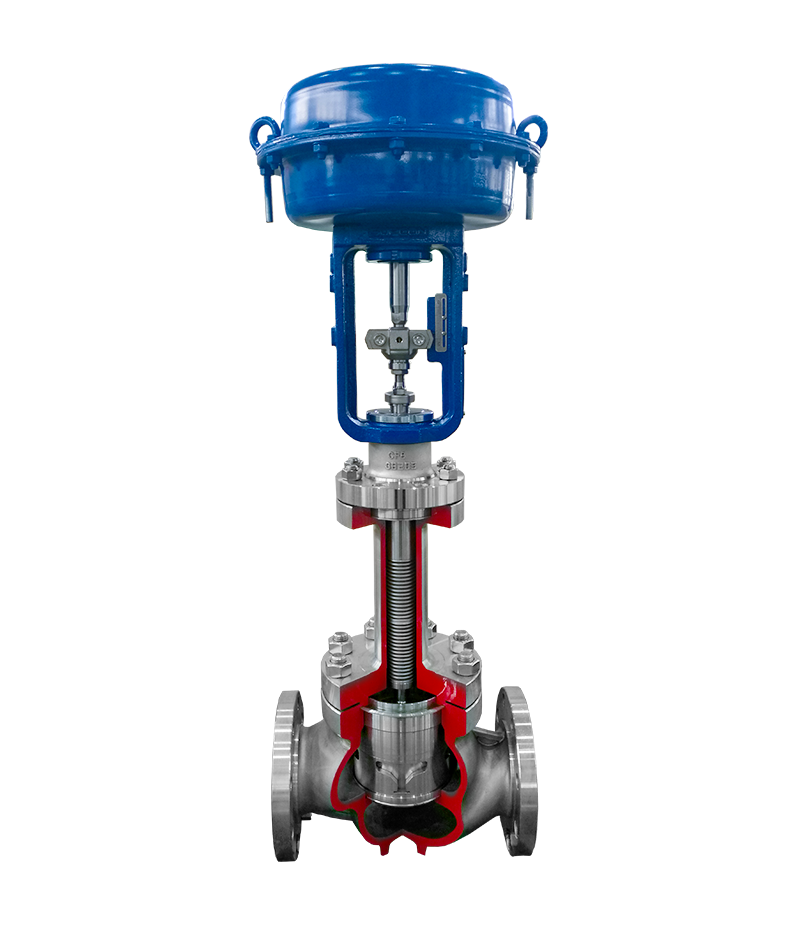
Cage guided globe valves, like those from SUPCON, excel in severe service applications due to their robust design and reliability. These valves feature a unique cage mechanism that supports the disc, allowing for precise control of flow rates and reducing the likelihood of vibration-related wear. According to a study by the American Society of Mechanical Engineers (ASME), cage guided globe valves demonstrate a reduction in cavitation and noise levels by up to 40% compared to standard globe valves, making them ideal for environments with fluctuating pressure and temperature.
When comparing cage guided globe valves to traditional valve solutions, the differences become increasingly apparent. Traditional globe valves may offer basic flow regulation, but they often fall short under extreme conditions. For example, in a study on valve performance in petrochemical applications, it was shown that 70% of traditional globe valves failed to meet operational efficiency standards due to corrosion and thermal stress. In contrast, cage guided globe valves can withstand these challenges, providing a reliable choice for process plants facing severe service demands.
Moreover, in terms of response time, cage guided globe valves can achieve a 90% open-to-close transition in less than 15 seconds, compared to over 30 seconds for conventional options. This rapid response reduces the risk of pressure surges, enabling safer and more efficient plant operations.
Several process plants have reported marked improvements after transitioning to cage guided globe valves. For example, a chemical processing plant documented a 25% increase in throughput efficiency and a 40% decrease in unscheduled shutdowns after implementing SUPCON’s cage guided valve solutions. This dramatic turnaround illustrates the importance of valve selection in determining overall plant performance.
In summary, cage guided globe valves present a compelling solution for process plants facing severe service challenges. Their advanced design offers enhanced control, greater durability, and a significant reduction in maintenance costs, all of which contribute to improved operational efficiency. Choosing the right valve is not only an investment in equipment but also in the long-term success and reliability of the plant's operations.
If you're ready to improve your process plant's resilience and performance, consider exploring SUPCON's range of cage guided globe valves. Their engineering excellence and commitment to quality can help transform your operations. Learn more here.
A cage guided globe valve is a type of valve that uses a cage mechanism to guide the valve disc, offering enhanced flow control and reducing wear under severe conditions.
They provide superior support and stability, significantly reducing issues such as cavitation, vibration, and thermal fatigue compared to traditional valves.
Statistics indicate a 50% reduction in maintenance frequency with cage guided globe valves, making them a more cost-effective solution in the long run.
Factory: SUPCON Park, No.209 Golf Road, Fuyang District, Hangzhou, 311400, China
Tel.: +86 571 8111 9774
:
E-mail: [email protected]