Apr. 01, 2026
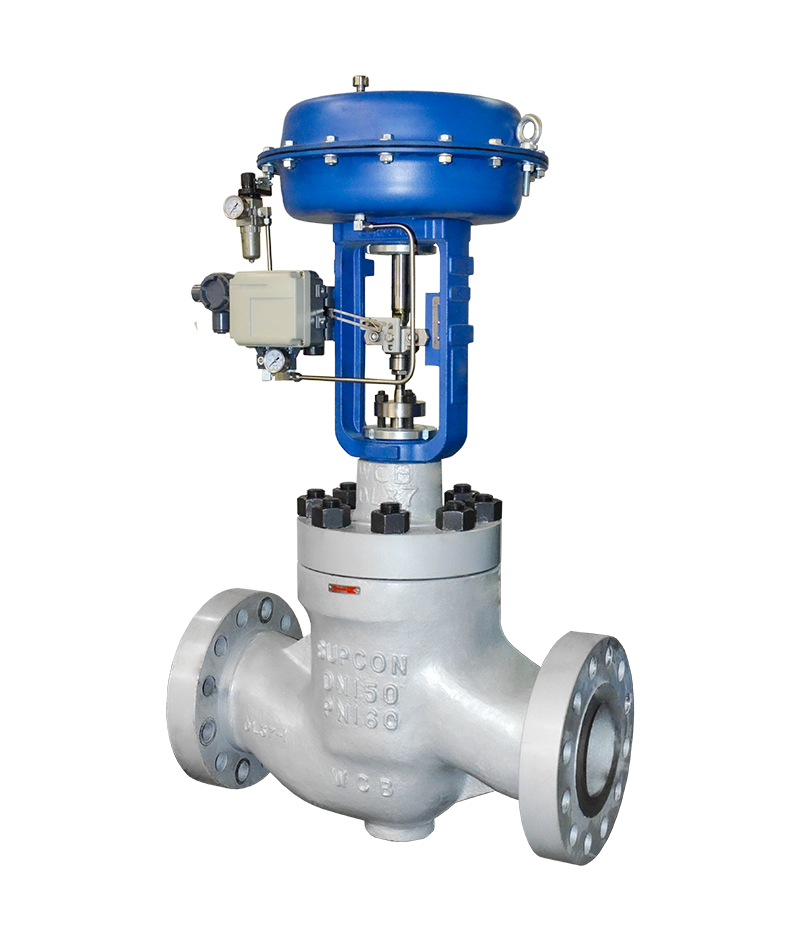
Pneumatic globe valves in China are becoming increasingly popular in various industries. Choosing between pneumatic and electric actuation is essential for effective valve control. Many industries require reliable actuation systems for their processes. Thus, understanding the differences between these two types is very important. This article will explore the advantages and disadvantages of both actuation methods. You'll learn how these choices can impact your operations and efficiency.
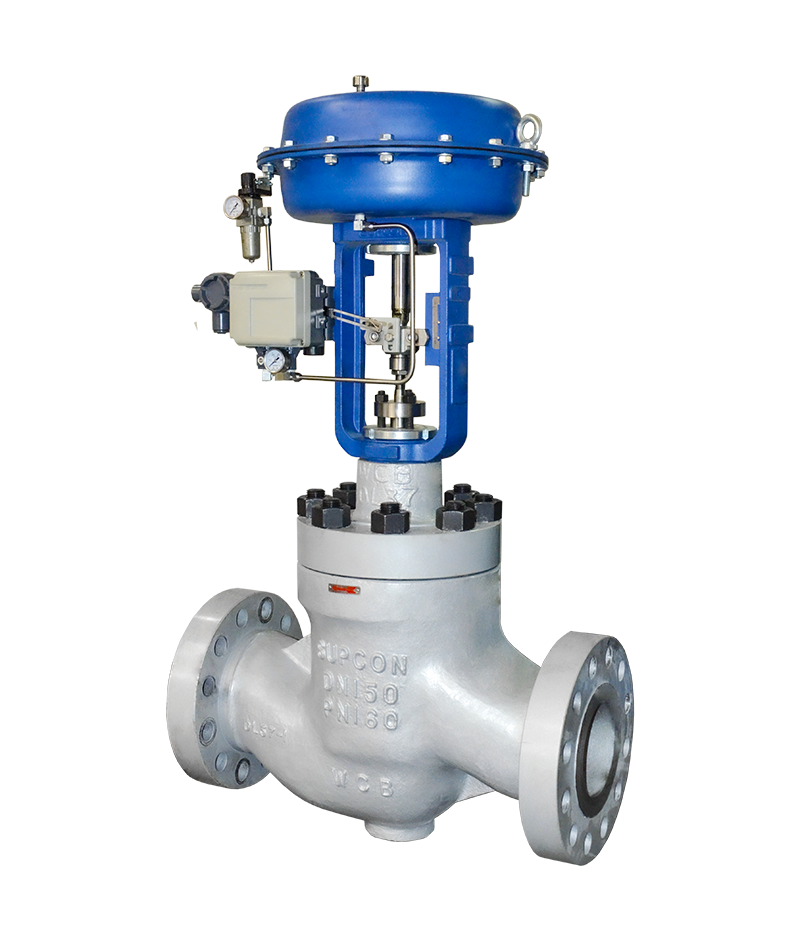
The choice between pneumatic and electric actuation depends on your specific needs, including speed, precision, and environmental conditions. Pneumatic actuation is often faster and more suitable for high-speed applications. Electric actuation, on the other hand, offers more control and precision in various situations.
Pneumatic systems generally operate faster than electric systems. They achieve quicker open and close times, which is crucial in time-sensitive processes.
Electric actuators provide better control. They handle precise movements with accuracy, making them ideal for applications that require careful adjustments.
If your application involves extreme temperatures or moisture, consider the environment. Pneumatic systems are robust in such conditions, whereas electric systems may require additional protection.
Pneumatic systems typically require more maintenance. Regular checks for leaks and proper lubrication are necessary. Electric systems generally have fewer maintenance needs, making them easier to manage long-term.
Pneumatic systems rely on compressed air, which may require specific infrastructure. Electric actuators use existing power sources, making them easier to integrate into many facilities.
When it comes to upfront costs, pneumatic systems can be less expensive. However, consider the total cost of ownership, which includes maintenance and energy consumption. Over time, electric systems may prove more cost-effective.
| Feature | Pneumatic Actuation | Electric Actuation |
|---|---|---|
| Speed | Faster operation | Slower but precise |
| Control | Less precision | High precision |
| Maintenance | Higher maintenance | Lower maintenance |
| Power Source | Requires air supply | Uses electrical power |
| Cost | Lower initial cost | Higher initial cost, lower long-term cost |
Here is a simple flow chart to help you make your decision:
In conclusion, choosing between pneumatic and electric actuation for your pneumatic globe valve in China is an important decision. Each option has its strengths and weaknesses. Analyze your specific needs, including speed, control, and environmental conditions, to make the best choice. The right actuation method can enhance your operations and improve efficiency. Take time to assess all factors before making your final decision.
Pneumatics is a technology that uses compressed air to create mechanical motion.
Electric actuators can be more efficient in certain applications due to less energy loss over time.
Pneumatic valves can work in various environments but may require air quality management.
Pneumatic actuators are commonly used in manufacturing, packaging, and automated processes.
Yes, but they may require special housing to ensure safety against environmental risks.
Assess your application's specific needs, including speed, control, and environment to make the right choice.
Factory: SUPCON Park, No.209 Golf Road, Fuyang District, Hangzhou, 311400, China
Tel.: +86 571 8111 9774
:
E-mail: [email protected]